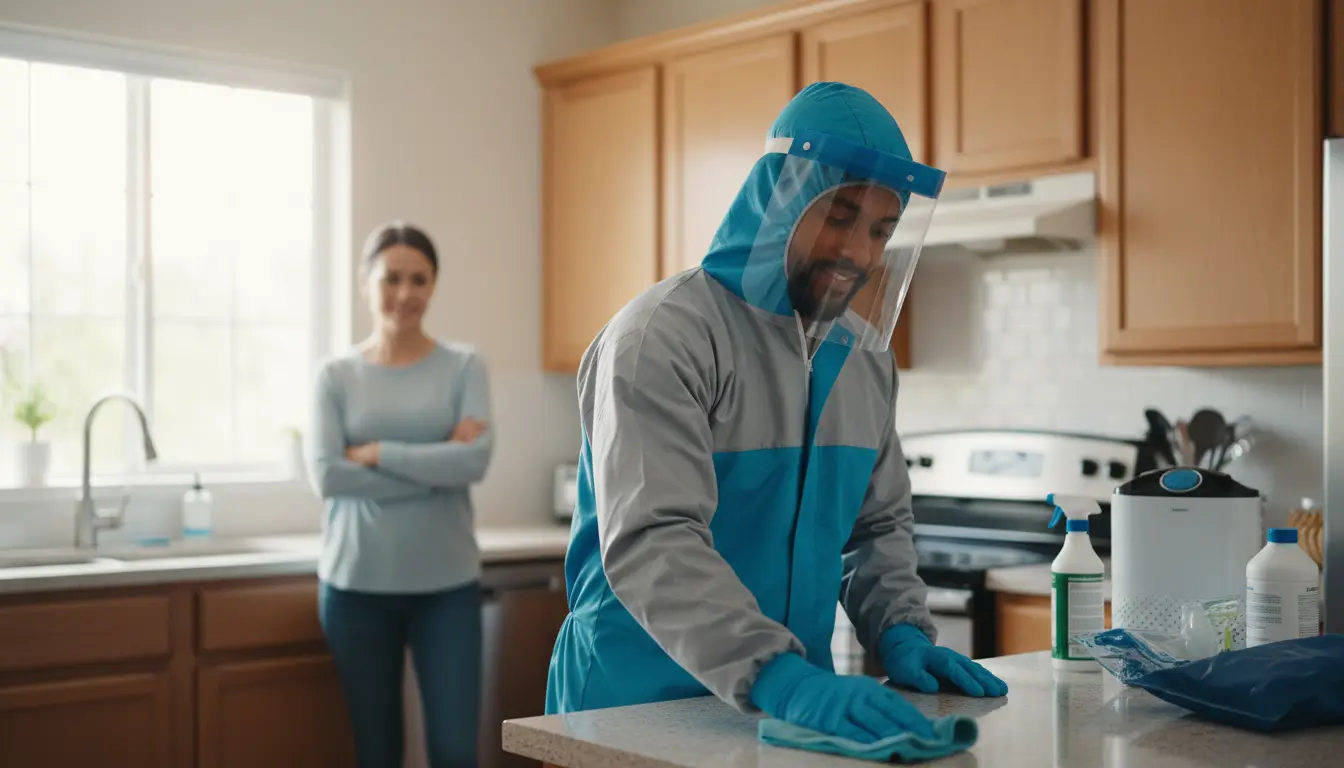
Imagine walking into your home in the heart of St. Louis, only to face a scene straight out of a nightmare—bloodstains, bodily fluids, or hazardous materials left behind from an accident or crime. It’s a situation no one wants to encounter, but in a bustling city like St. Louis, with its vibrant neighborhoods and dense population, biohazard incidents happen more often than you’d think. Whether it’s a trauma event in Tower Grove South or a medical mishap in the Central West End, the aftermath can be overwhelming, posing serious health risks if not handled properly.
That’s where professional biohazard cleanup comes in. At St. Louis Biohazard Cleanup, we specialize in restoring safety and peace of mind to properties across St. Louis, MO. This ultimate guide will walk you through everything you need to know about biohazard cleanup—from understanding the hazards to the step-by-step process and why local expertise matters. By the end, you’ll be equipped with practical tips to navigate such situations and know when to call in the pros. Let’s dive in and ensure your St. Louis home or business stays safe.
What is Biohazard Cleanup and Why Does It Matter in St. Louis?
Biohazard cleanup refers to the professional removal, decontamination, and restoration of environments contaminated by potentially infectious materials. These can include blood, bodily fluids, bacteria, viruses, and even chemical residues from incidents like unattended deaths, suicides, homicides, or infectious disease outbreaks.
In St. Louis, a city known for its rich history and community spirit—from the iconic Gateway Arch to lively districts like University City—these incidents can disrupt lives quickly. According to local health reports, Missouri sees thousands of trauma-related calls annually, and improper cleanup can lead to secondary contamination, spreading pathogens like hepatitis or HIV through porous surfaces.
The Risks of DIY Biohazard Cleanup
Attempting to clean up biohazards yourself is not just ineffective; it’s dangerous. Without proper training and equipment, you risk exposure to airborne pathogens or cross-contamination. For instance, in humid St. Louis summers, biohazards can decompose rapidly, amplifying odors and health threats. Professionals use EPA-approved disinfectants and follow OSHA guidelines to mitigate these risks, ensuring your property in areas like Kirkwood is fully sanitized.
When Do You Need Biohazard Cleanup Services in St. Louis?
Not every spill requires a full biohazard response, but certain scenarios demand immediate professional intervention. Common triggers in St. Louis include:
- Trauma Scenes: After accidents, assaults, or suicides, sites often involve blood and tissue that require specialized trauma scene decontamination.
- Unattended Deaths: In older homes common in Ladue, decomposition can lead to severe biohazardous fluids seeping into floors and walls.
- Medical Waste Incidents: Hospitals, clinics, or home care in the Central West End might generate needles, bandages, or infectious waste needing proper medical waste disposal.
- Hoarding or Crime Scenes: Overgrown properties in Tower Grove South can harbor mold, pests, and biohazards intertwined with clutter.
- Infectious Disease Outbreaks: Post-pandemic, we’re seeing more need for cleanup after COVID-19 or flu exposures in shared spaces like University City apartments.
If you’re dealing with any of these in St. Louis, contact St. Louis Biohazard Cleanup at (314) 380-0207 for a rapid response. Delaying can lead to legal issues, as Missouri regulations require certified handling of biohazards.
The Step-by-Step Process of Professional Biohazard Cleanup
At St. Louis Biohazard Cleanup, our process is thorough, compassionate, and compliant with all local and federal standards. Here’s what to expect:
1. Assessment and Safety Perimeter
Upon arrival, our certified technicians in protective gear assess the scene. In St. Louis’s variable weather, we secure the area to prevent further contamination—think sealing off a townhome in Kirkwood during a rainstorm to avoid water spreading hazards.
2. Containment and Removal
We contain the biohazards using barriers and negative air machines. Gross removal follows, extracting visible contaminants into sealed biohazard bags for biohazard waste transport. This step is crucial in dense urban areas like the Central West End, where proximity to neighbors heightens risks.
3. Deep Cleaning and Decontamination
Surfaces are scrubbed with hospital-grade cleaners. For persistent issues, like lingering smells after a meth lab incident, we employ odor elimination services to neutralize airborne particles.
4. Restoration and Verification
Finally, we restore the site—painting, flooring repairs—and test for pathogens. In St. Louis’s historic homes in Ladue, we take extra care to preserve architectural integrity while ensuring safety.
This process typically takes 4-8 hours for small jobs but can extend for larger scenes, always prioritizing your well-being.
Practical Tips for Biohazard Prevention and Immediate Response in St. Louis
While professionals handle the heavy lifting, prevention and quick action can minimize damage. Here are actionable tips tailored to St. Louis living:
Prevention Strategies
- Secure Your Property: In high-crime areas like parts of Tower Grove South, install strong locks and alarms to deter break-ins that could lead to undiscovered trauma scenes.
- Home Health Kits: Keep a basic spill kit with gloves, absorbent pads, and bleach solution for minor incidents, but never for blood—call pros instead.
- Regular Maintenance: For older St. Louis homes in University City, inspect for mold or pest issues that could compound biohazards.
Immediate Response Advice
- Evacuate and Isolate: If you discover a biohazard, leave the area immediately and cordon it off. In St. Louis’s tight-knit neighborhoods, notify neighbors discreetly to avoid panic.
- Document Safely: Take photos from a distance for insurance, but avoid touching anything.
- Contact Authorities First: For crimes or deaths, call 911 before cleanup crews. St. Louis Biohazard Cleanup coordinates with local PD for seamless handoff.
- Choose Local Experts: Opt for IICRC-certified teams familiar with Missouri’s humidity and regulations. We’re available 24/7 for emergencies in Kirkwood or beyond.
Implementing these tips can reduce exposure time and costs—remember, early intervention prevents escalation.
Common Challenges in St. Louis Biohazard Cleanup
St. Louis’s unique environment presents hurdles like extreme weather and aging infrastructure. Heavy rains can flood basements in the Central West End, mixing water with biohazards and requiring advanced meth lab decontamination techniques if chemicals are involved. Our team uses industrial dehumidifiers and antimicrobial treatments to combat this.
In dense areas like University City, space constraints mean efficient, quiet operations to respect privacy. We’ve handled everything from apartment hoarding in Tower Grove South to commercial cleanups near the Arch, always with empathy and discretion.
FAQ: Biohazard Cleanup in St. Louis, MO
1. How much does biohazard cleanup cost in St. Louis?
Costs vary by scene size and complexity, ranging from $500 for small jobs to $5,000+ for extensive ones. St. Louis Biohazard Cleanup provides free estimates—call (314) 380-0207 to discuss your needs.
2. Is biohazard cleanup covered by insurance?
Often yes, especially for trauma or medical incidents. Homeowners’ policies in Missouri typically cover it; we’ll assist with claims.
3. How long does the cleanup take?
Most residential cleanups in St. Louis take 4-12 hours, depending on contamination level. We aim for minimal disruption.
4. Do I need to vacate my home during cleanup?
For safety, yes—usually for a few hours. In areas like Ladue, we work quickly to get you back.
5. What certifications should a biohazard company have?
Look for OSHA, EPA, and IICRC certifications. St. Louis Biohazard Cleanup meets all, ensuring compliant service across St. Louis.
Conclusion: Trust St. Louis Biohazard Cleanup for Your Safety
Biohazard cleanup in St. Louis, MO, doesn’t have to be a daunting ordeal. With the right knowledge—from recognizing hazards to following prevention tips—you’re better prepared for the unexpected. But when disaster strikes, leave it to the experts at St. Louis Biohazard Cleanup. Our local team serves all of St. Louis, from the bustling streets of the Central West End to quiet suburbs in Kirkwood, delivering compassionate, efficient service every time.
Don’t risk your health or your property. Contact us today at (314) 380-0207 for a confidential consultation or emergency response. Restore your space and regain your peace of mind—St. Louis Biohazard Cleanup is here to help.