Imagine this: It’s a stormy night in St. Louis, and you wake up to the sound of rushing water. The Mississippi River has overflowed, or a burst pipe in your Chesterfield home has turned your basement into a swimming pool. The immediate danger might be the water itself, but what lurks beneath the surface could be far more hazardous—biohazards that threaten your health and safety. As a resident of the Gateway City, you’re no stranger to flooding risks, especially during heavy rains or snowmelt. But knowing what to do after a flood can make all the difference between a quick recovery and long-term health issues.
At St. Louis Biohazard Cleanup, we’ve helped countless families and businesses in areas like Webster Groves and Benton Park navigate these crises. In this guide, we’ll break down the biohazard risks associated with floods, provide practical steps for immediate action, and explain why professional intervention is crucial. Whether you’re dealing with residential flooding in Richmond Heights or commercial damage in Creve Coeur, arming yourself with knowledge is your first line of defense.
Understanding Biohazard Risks After a Flood
Floods don’t just soak your belongings—they introduce a cocktail of contaminants that can lead to serious health problems. Biohazards are biological substances that pose a threat to human health, and post-flood scenarios in St. Louis amplify these dangers due to our humid climate and proximity to waterways.
What Constitutes a Biohazard in Floodwater?
Floodwater is often classified as black water, the most contaminated type, containing sewage, chemicals, and pathogens. In St. Louis, where the Missouri and Mississippi Rivers converge, floods can carry bacteria like E. coli, viruses such as hepatitis, and even fungi that thrive in our Midwestern weather. Mold growth starts within 24-48 hours, releasing spores that irritate respiratory systems and exacerbate allergies.
Sewage backups are particularly common in older neighborhoods like Benton Park, where aging infrastructure struggles with heavy downpours. These waters can harbor salmonella and other infectious agents, making direct contact risky for skin infections or gastrointestinal illnesses.
Why St. Louis Faces Unique Challenges
Our city’s location along major rivers means flash floods are a seasonal threat, especially in spring. The 2019 floods along the Mississippi affected thousands in the metro area, leading to widespread biohazard exposure. Low-lying areas in Creve Coeur and Chesterfield are prone to stormwater overflow, mixing urban runoff with raw sewage. If untreated, these biohazards can contaminate HVAC systems, spreading contaminants throughout your home or office.
Immediate Steps to Take After a Flood
Time is critical after a flood. Acting quickly minimizes biohazard spread and structural damage. Here’s a step-by-step guide tailored for St. Louis residents.
1. Ensure Safety First
Before entering your flooded property, assess the situation. Turn off electricity at the main breaker to avoid electrocution—St. Louis’ frequent storms often knock out power lines. If the water is above your ankles, evacuate immediately and call emergency services if needed. For homes in Webster Groves, where basements are common, avoid descending until professionals deem it safe.
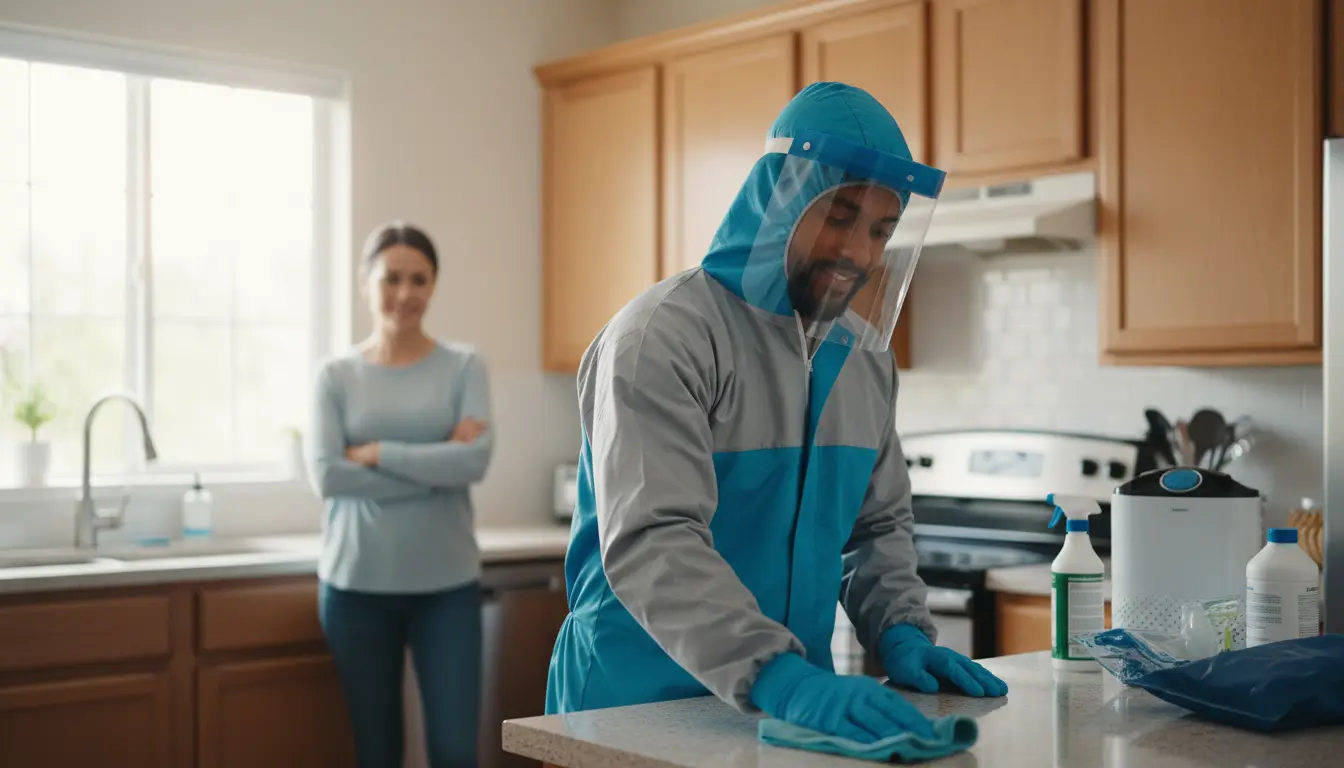
Wear protective gear: rubber boots, gloves, and an N95 mask to shield against airborne pathogens. Do not wade through water barefoot, as it can carry sharp debris and contaminants.
2. Document the Damage
Take photos and videos of the affected areas for insurance claims. Note any visible mold or sewage signs. In St. Louis, local insurers like those familiar with riverine flooding will require this documentation. Avoid moving items until you’ve consulted experts, as this could spread biohazards.
3. Ventilate and Dry Out the Space
Open windows and doors if safe, and use fans to circulate air. However, if sewage is present, this could worsen contamination—call professionals for infectious disease cleanup instead. Dehumidifiers are essential in our humid climate to prevent mold, but only after initial hazards are addressed.
When to Call Professional Biohazard Cleanup Services
DIY cleanup might seem cost-effective, but handling biohazards requires specialized training and equipment. St. Louis Biohazard Cleanup offers 24/7 emergency response for flood-related incidents, ensuring safe removal of contaminants.
The Dangers of DIY Cleanup
Attempting to clean without proper protocols can expose you to pathogens, leading to long-term health issues like respiratory infections. Our team uses EPA-approved disinfectants and follows OSHA guidelines to neutralize risks. For instance, after the 2022 floods in Richmond Heights, many residents faced mold-related illnesses from improper handling.
What Professional Services Entail
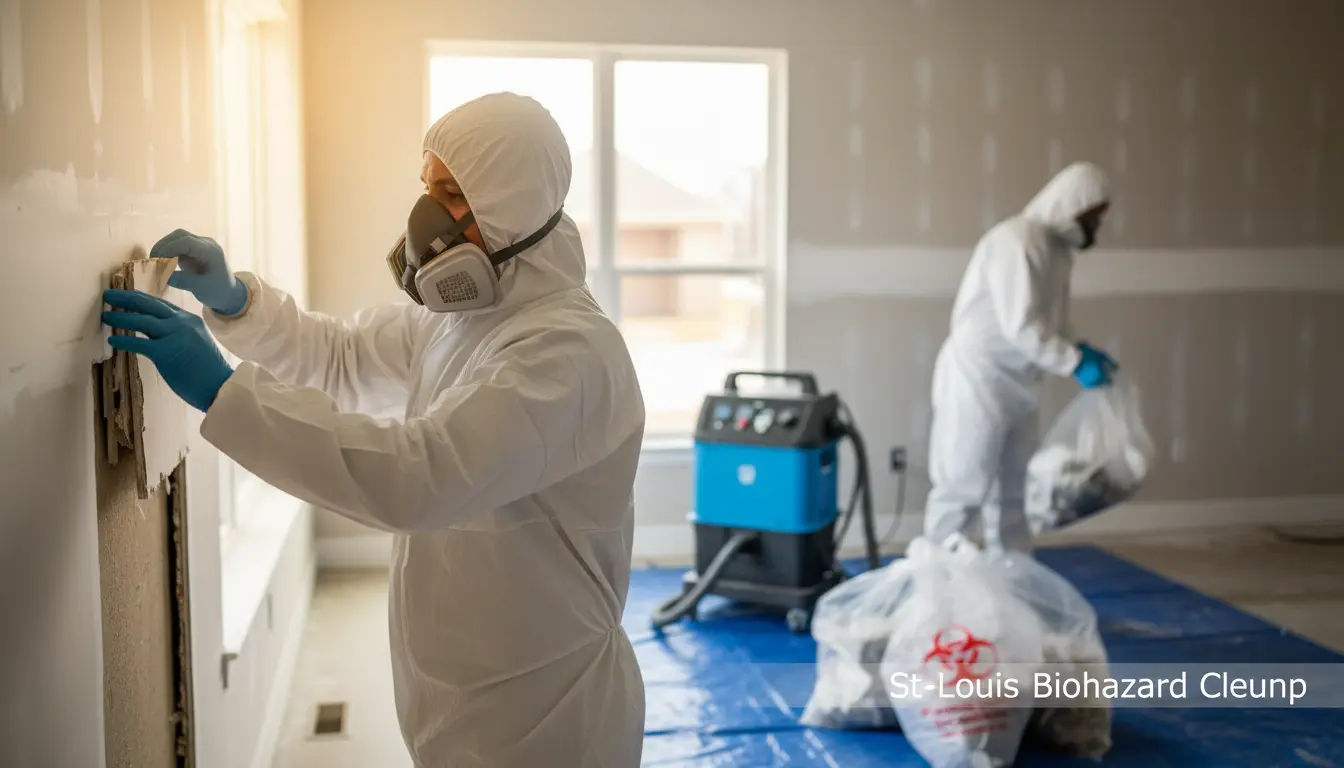
We start with a thorough assessment, then proceed to extraction, disinfection, and disposal. Our biohazard waste transport ensures contaminated materials are handled compliantly. For severe cases, like those involving sewage in Chesterfield properties, we integrate property restoration services to rebuild safely.
If odors persist post-cleanup, our odor elimination services can neutralize lingering smells from bacterial growth.
Local Flood Risks and Prevention in St. Louis
St. Louis’ geography makes it vulnerable, but preparation can mitigate biohazard threats.
Flood-Prone Areas and Historical Context
Neighborhoods like those near the River Des Peres in Creve Coeur often see recurrent flooding. The Great Flood of 1993 devastated parts of the city, highlighting sewage overflow risks. Today, with climate change intensifying storms, areas such as Webster Groves must stay vigilant.
Preventive Measures for St. Louis Homes
Install sump pumps and elevate appliances in basements. Regularly inspect sewer lines, especially in historic districts like Benton Park. Consider flood insurance through the National Flood Insurance Program, which covers biohazard cleanup costs. For businesses in Richmond Heights, backflow preventers are a smart investment.
Stock an emergency kit with PPE, bottled water, and non-perishables. Enroll in local alert systems like St. Louis’ flood warnings via the city’s emergency management app.
FAQ: Common Questions About Post-Flood Biohazards in St. Louis
1. How soon after a flood do biohazards become a problem?
Biohazards like bacteria thrive immediately in standing water, but mold can appear within 24 hours. In St. Louis’ warm months, growth accelerates—act fast to avoid escalation.
2. Is floodwater from rain safe to touch?
No, even clean rainwater mixes with contaminants during urban flooding. In areas like Chesterfield, it often includes pollutants from streets and sewers. Always treat it as hazardous.
3. Do I need professionals for minor flooding?
Yes, if there’s any sewage or standing water over 24 hours. Our team at St. Louis Biohazard Cleanup assesses and handles even small incidents to prevent health risks.
4. How long does cleanup take in St. Louis?
It varies by damage extent, but initial biohazard removal typically takes 1-3 days. Restoration follows, with full recovery in weeks for most homes in Webster Groves or similar areas.
5. What if my insurance doesn’t cover biohazards?
Many policies do under water damage riders. We work with adjusters and offer financing options—contact us at (314) 380-0207 for guidance.
Conclusion: Protect Your St. Louis Home Today
Floods in St. Louis are more than an inconvenience—they’re a biohazard gateway that demands swift, expert action. By understanding the risks, taking immediate steps, and calling in professionals like St. Louis Biohazard Cleanup, you can safeguard your health and property. Don’t let hidden dangers linger; our certified team is ready to restore safety with compassion and efficiency.
Ready to secure your space? Call us at (314) 380-0207 for a free consultation, or visit our areas we serve in Creve Coeur page to learn more about tailored services. Your peace of mind starts here.