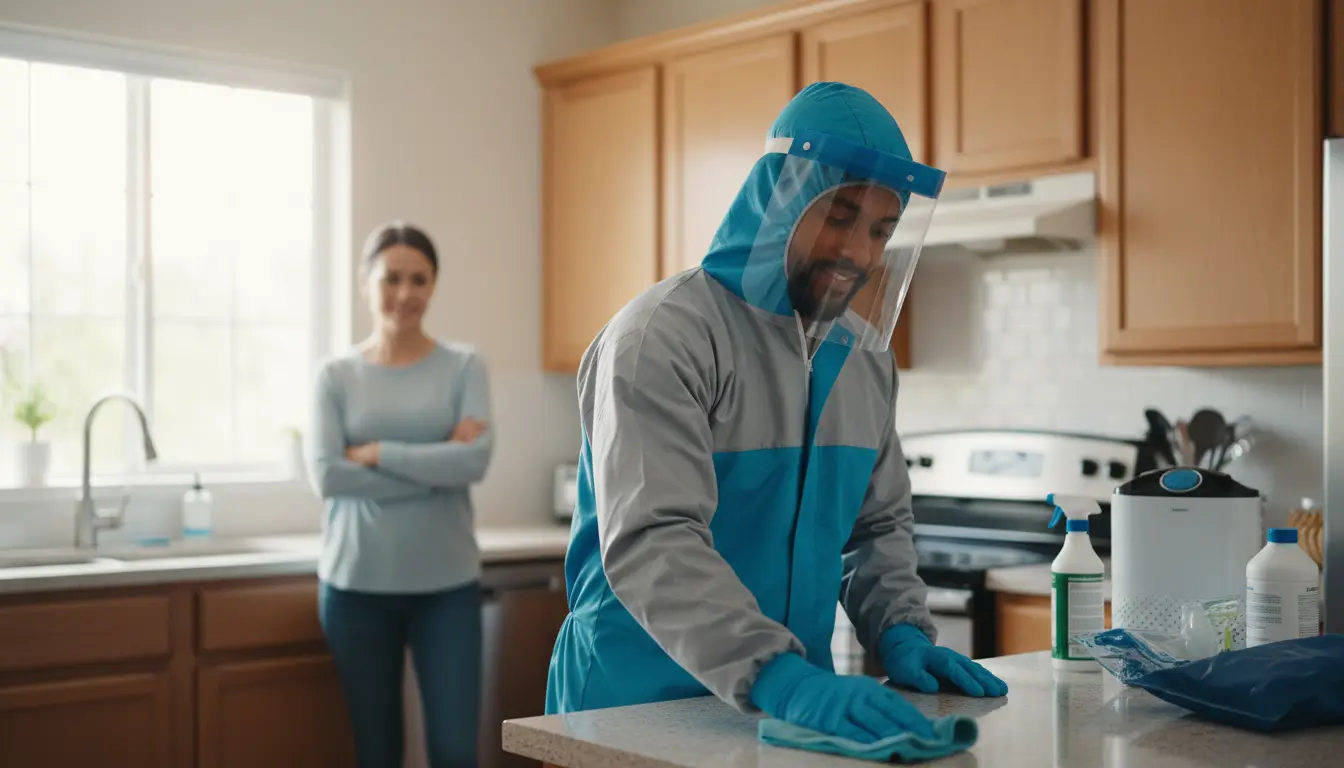
Within hours, Diane contacted St. Louis Biohazard Cleanup, a certified remediation team that arrived on-site with full personal protective equipment and industrial-grade negative air machines. The situation required urgent structural decontamination, cross-contamination prevention, and meticulous removal of bloodborne pathogens. For property managers and landlords across the metro area, understanding the technical and legal requirements of biohazard remediation is not optional—it is a duty of care that safeguards tenant health, property value, and regulatory compliance.
Technical Process of Professional Biohazard Remediation
Professional biohazard cleanup follows a rigorous, science-based protocol designed to eliminate all biological hazards and restore the site to a safe, habitable condition. The process begins with a comprehensive risk assessment of the affected area. Technicians evaluate the type and extent of contamination, identify porous materials that may have absorbed biological fluids, and check for hidden seepage into subfloors or wall cavities—a common issue in St. Louis’s older brick residential structures.
Once the assessment is complete, the team establishes a containment zone using heavy-duty plastic sheeting and negative air pressure systems. This prevents airborne pathogens from spreading to uncontaminated areas. All personnel don PPE compliant with OSHA Bloodborne Pathogens Standard 29 CFR 1910.1030, including Tyvek suits, N95 respirators, and face shields. The actual removal of biohazardous material is performed using forensic cleaning tools and hospital-grade disinfectants that achieve viral inactivation within minutes.
After physical removal, the team applies EPA-registered sanitizers and enzyme treatments to break down organic matter at the molecular level. The final step involves adenosine triphosphate (ATP) fluorescence testing to verify that the surface is biologically clean. If the ATP reading falls below the threshold, the area is sealed with an antimicrobial encapsulant. This entire workflow is critical for property owners in St. Louis, where seasonal humidity and temperature swings can accelerate decomposition and cause odor migration through shared walls and HVAC systems.
Data Comparison: Professional Remediation vs. Standard Janitorial Cleaning
Landlords often ask why they cannot simply hire a regular cleaning crew to handle a biohazard scene. The table below highlights the critical differences between professional biohazard remediation and standard residential cleaning.
| Feature / Metric | Professional Biohazard Remediation | Standard Residential Cleaning |
|---|---|---|
| Regulatory Compliance | OSHA, EPA, IICRC S540 | None |
| Pathogen Elimination | 99.999% with ATP verification | Surface-level only |
| Structural Assessment | Full inspection for hidden seepage | Visual only |
| Waste Disposal | Licensed medical waste transport | General trash (illegal) |
Expert Insights for Landlords and Property Managers
Experienced remediation specialists share three advanced diagnostic tips that every property manager should know. First, detecting hidden biological seepage often requires the use of moisture meters and thermal imaging cameras. Blood and other fluids can wick through drywall and into wooden studs, creating a reservoir of bacteria that will continue to emit odors and pose health risks long after the visible stain is cleaned.
Second, porous materials such as carpet, padding, upholstered furniture, and drywall must almost always be removed and replaced. Cleaning them with chemicals may mask the odor temporarily, but the pathogens remain embedded. Third, maintaining negative pressure within the work area is essential to prevent cross-contamination. Without it, airborne particles can travel through ventilation ducts, affecting other units in multi-family buildings.
Common mistakes property owners make include using household bleach on biological matter, which actually denatures proteins and creates a protective barrier for pathogens, and waiting for odors to dissipate naturally. The consequences are severe: long-term health risks for tenants, structural damage from microbial growth, and potential liability for failure to mitigate hazards. Allowing untrained personnel into the site is another frequent error that can lead to secondary contamination and legal exposure.
Pricing for Biohazard Cleanup Services
Costs for professional biohazard remediation in St. Louis vary based on the complexity of the scene. Typical pricing structures include:
- Site mobilization fee (covers travel, PPE setup, and containment preparation) – usually $300–$500
- Hourly remediation rates for certified technicians – $150–$250 per hour per technician
- Specialized disposal of biohazardous waste – $50–$100 per drum or container
Three primary factors influence the final cost: the extent of structural material replacement required (e.g., replacing subflooring, drywall, or insulation), the total volume of biohazardous waste generated, and the necessity for specialized HVAC decontamination if the heating and cooling system has been contaminated. For a deeper look at pricing, visit our detailed guide on Biohazard Cleanup Costs What St Louis Residents Pay.
Safety and Standards
St. Louis Biohazard Cleanup adheres to the highest industry certifications, including IICRC S540 for trauma and crime scene cleanup and OSHA Bloodborne Pathogens Standard 29 CFR 1910.1030. Every technician is trained in the safe handling of bloodborne pathogens, proper use of PPE, and the correct disposal of regulated medical waste. We partner with authorized waste management services that transport and incinerate biohazardous material according to Missouri state regulations.
These standards are not just bureaucratic formalities—they have practical importance. For example, using an unlicensed disposal service can result in fines and legal liability for the property owner. More importantly, the procedures ensure that the site is restored to a condition that poses zero risk of communicable disease transmission to future tenants, cleaning staff, or visitors. For landlords, this means peace of mind and protection of their investment. Learn more about the hidden dangers of unattended biohazards and how our team mitigates them.
What should I do immediately after discovering a biohazard scene in my rental property?
Do not enter the area. Secure the space by locking doors and posting warning signs. Contact a certified biohazard remediation company immediately. Do not attempt to clean with household products, as this can spread pathogens and violate OSHA regulations. The faster you respond, the less chance of structural damage from fluid seepage and odor migration.
How long does the professional remediation process take?
Duration depends on the size of the affected area and the type of biohazard. A typical scene in a standard apartment can take 4 to 8 hours for full remediation, including ATP testing and final encapsulation. Larger scenes, such as hoarding situations, may require multiple days. Our 24/7 response ensures that cleanup begins as soon as possible, minimizing disruption to your property.
Can I rent the property again after biohazard cleanup?
Yes, after professional remediation and verification testing, the property is safe for occupancy. However, you must disclose the incident to prospective tenants if required by Missouri landlord-tenant law. Our team provides documentation of the remediation process, including ATP test results, which you can share with tenants to demonstrate thoroughness and safety.
What is the difference between biohazard cleanup and regular crime scene cleanup?
Biohazard cleanup is a broader category that includes any scene involving biological contaminants such as blood, bodily fluids, or decomposed tissue. Crime scene cleanup is a subset, but many other situations require the same level of expertise—overdose scenes, unattended deaths, hoarding, and industrial accidents. Our team handles all types of biohazard scenarios with the same scientific rigor and compassion.
Professional Biohazard Remediation in St. Louis
When a biohazard incident occurs in a rental property, the clock is ticking. Every hour of delay increases the risk of permanent structural damage, tenant health complaints, and legal liability. St. Louis Biohazard Cleanup offers the fastest, most technically advanced response in the region. Our team is trained in microbial remediation, forensic restoration, and odor neutralization, ensuring that your property is restored to its pre-incident condition—or better.
We understand the unique pressures that property managers face, from protecting tenant privacy to maintaining property value. That is why we operate with discretion, efficiency, and full compliance with all local and federal regulations. Whether you are in the Central West End, Soulard, Clayton, or any other part of the metro area, we are ready to respond 24/7. Contact us today to learn more about our property restoration services and how we can help you manage biohazard situations with confidence.