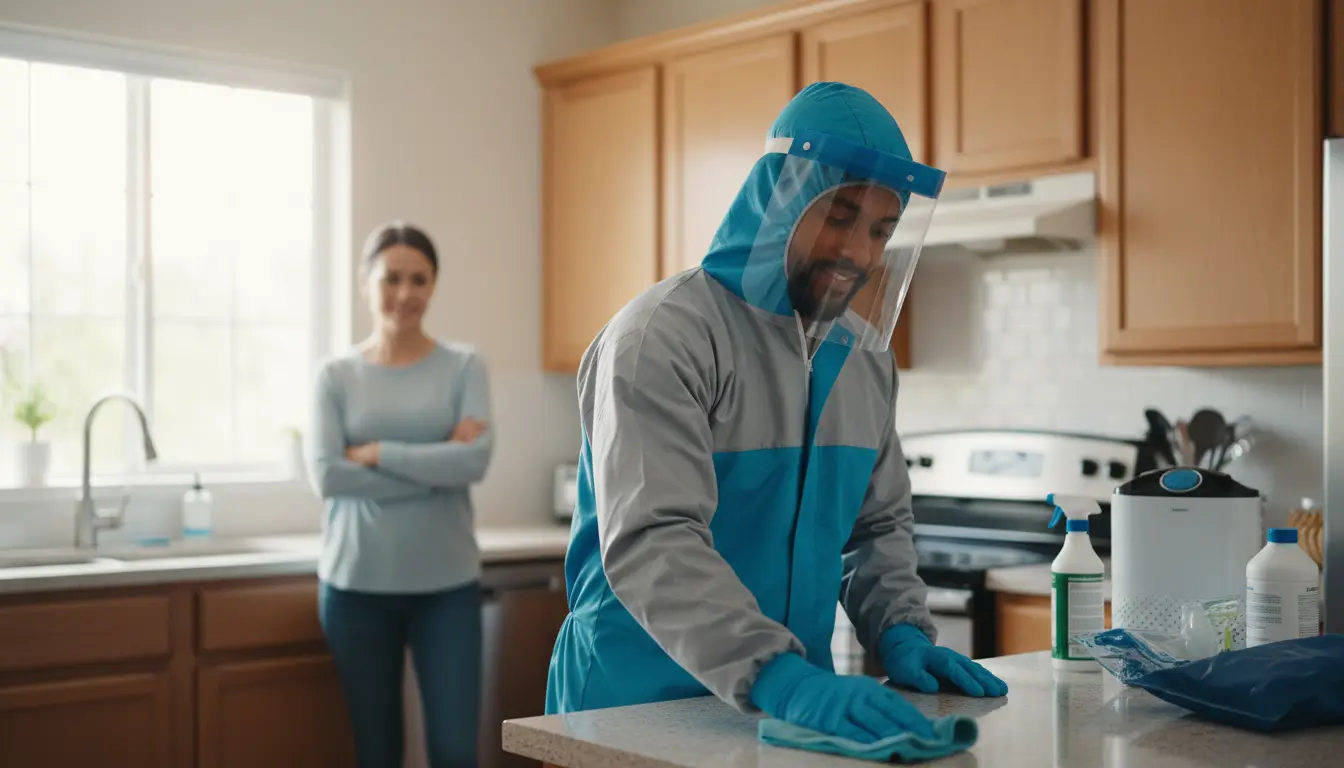
When a property owner or family member faces a scene like Mike’s, the line between professional biohazard remediation and everyday janitorial work becomes stark. Standard cleaning focuses on aesthetics and general sanitation: dusting, mopping, and disinfecting surfaces. Biohazard cleanup, however, involves the removal of materials that pose a risk of infection, disease, or psychological trauma. It requires specialized training, equipment, and certifications that go far beyond the capabilities of a typical cleaning service. In St. Louis, where the mix of historic homes and modern apartments creates diverse structural conditions, understanding this distinction is critical for protecting both occupants and property value. St. Louis Biohazard Cleanup offers the technical expertise and compassionate response needed to restore sites safely and thoroughly.
The Technical Process of Professional Biohazard Remediation
Professional biohazard remediation follows a rigorous, step-by-step workflow that is governed by OSHA, EPA, and IICRC standards. The process begins with a comprehensive risk assessment. Technicians evaluate the scene for biological hazards, structural integrity, and potential cross-contamination pathways. For example, in a St. Louis home with a finished basement, seasonal flooding can introduce sewage and floodwater biohazards, requiring specialized protocols that differ from trauma scene cleanup. The assessment determines the level of personal protective equipment (PPE) needed—typically including Tyvek suits, N95 or higher respirators, gloves, and eye protection.
Once the assessment is complete, the team establishes containment zones using negative air machines and plastic sheeting. This prevents airborne toxins from spreading to unaffected areas. Physical removal of biohazardous materials follows. Contaminated porous items like carpet, drywall, and insulation are carefully bagged and disposed of in accordance with state and federal regulations. For non-porous surfaces, technicians use EPA-registered hospital-grade disinfectants with proven efficacy against bloodborne pathogens such as HBV, HCV, and HIV. Advanced tools like adenosine triphosphate (ATP) testing are employed to verify that all biological residue has been eliminated. ATP testing measures the presence of organic matter, ensuring that the surface is truly clean. Finally, the site undergoes structural decontamination, which may include encapsulation of affected areas with antimicrobial sealants.
St. Louis’s climate adds another layer of complexity. The humidity and temperature swings during summer and spring accelerate decomposition and microbial growth. In cases of unattended death, the odor can permeate walls and HVAC systems, requiring specialized enzyme treatments and ozone generators to neutralize volatile organic compounds. The Hidden Dangers of Unattended Biohazards in Your Home highlight how quickly these issues can escalate if not addressed by trained professionals. Without proper remediation, the structural integrity of the building can be compromised, and the health of future occupants remains at risk.
Data Comparison Table: Professional Remediation vs. Standard Cleaning
The table below contrasts the key differences between professional biohazard remediation and standard residential cleaning, based on IICRC S540 standards.
| Feature/Metric | Professional Biohazard Remediation | Standard Residential Cleaning |
|---|---|---|
| Regulatory Compliance | OSHA, EPA, IICRC S540, state waste disposal laws | No regulatory oversight for biohazards |
| Pathogen Elimination | EPA-registered hospital-grade disinfectants; ATP testing to verify | General household cleaners; limited efficacy against bloodborne pathogens |
| Structural Assessment | Full evaluation of porous vs. non-porous materials; replacement of contaminated materials | Surface cleaning only; no structural decontamination |
| Containment & Air Filtration | Negative air machines, HEPA filtration, plastic barriers | None; risk of spreading contaminants |
| Waste Disposal | Segregated, labeled, and disposed via licensed biohazard waste transporters | Regular trash; illegal for biological waste |
| Training & Certification | IICRC-certified, OSHA Bloodborne Pathogens training, ongoing education | No specialized training required |
| Psychological Support | Discreet, compassionate service for families and property owners | Not provided; may cause further distress |
Expert Insights: Advanced Diagnostic Tips and Common Mistakes
Professional biohazard remediation specialists rely on diagnostic techniques that go beyond what the eye can see. Three advanced tips are essential for thorough restoration:
First, detecting hidden biological seepage is critical. In St. Louis’s older brick homes, fluids can migrate through mortar joints and subflooring. Technicians use moisture meters and thermal imaging to identify areas where biological material has leaked into wall cavities or under flooring. Without this step, residual organic matter can cause persistent odors and health hazards. Second, porous materials like drywall, carpet, and upholstery must almost always be removed and replaced rather than cleaned. The porous nature of these materials allows pathogens to penetrate deeply, making surface disinfection ineffective. Attempting to clean them typically leads to continued microbial growth and cross-contamination. Third, the importance of negative pressure and air filtration cannot be overstated. Containment using negative air machines prevents airborne pathogens from traveling to other parts of the building, protecting both the remediation team and the occupants.
Property owners and managers often make critical mistakes when handling biohazard situations. The most common error is using household bleach on biological matter. Bleach is not an effective disinfectant against bloodborne pathogens in the presence of organic soil; it can also damage surfaces and create toxic fumes. Another mistake is waiting for odors to dissipate naturally. In St. Louis’s humid climate, odors can indicate underlying microbial growth that will continue to worsen. A third error is allowing untrained personnel—such as maintenance staff or family members—into the site. This exposes them to bloodborne pathogens and psychological trauma, and it can also void insurance coverage. These mistakes can lead to long-term health consequences, including chronic respiratory issues, infection, and mental health distress, as well as costly structural damage.
Pricing Factors for Biohazard Cleanup in St. Louis
Pricing for biohazard remediation varies widely based on the scope of the job. There is no one-size-fits-all cost, but understanding the main factors can help property owners plan. The following bullet points outline the typical pricing structure and key cost drivers:
- Site Mobilization and Assessment Fee: Most companies charge a flat fee for the initial response and assessment. This covers the cost of dispatching a crew, conducting a risk evaluation, and providing a written estimate. In St. Louis, this fee typically ranges from $200 to $500, depending on the time of day and the distance from the service center.
- Hourly or Per-Square-Foot Remediation Rates: The bulk of the cost is based on the labor and materials required. Rates often fall between $150 and $300 per hour, or between $5 and $15 per square foot for smaller areas. Complex jobs involving multiple rooms or extensive structural damage are at the higher end.
- Disposal Costs for Biohazardous Waste: Specialized disposal of regulated medical waste is a significant expense. Biohazard waste must be placed in labeled containers, transported by licensed carriers, and incinerated or treated. This can add $200 to $1,000 or more, depending on the volume.
- Extent of Structural Material Replacement: If drywall, flooring, insulation, or cabinetry must be removed, the cost increases. Replacement of these materials is not included in the remediation fee and can double or triple the total project cost.
- HVAC Decontamination: If biohazard particles have circulated through the HVAC system, specialized cleaning of ductwork and components is required. This can add $500 to $2,000, depending on the size of the system.
- Emergency or After-Hours Response: Calls for 24/7 service, especially on weekends or holidays, incur a premium. Many companies charge a 1.5x to 2x multiplier for immediate response.
Safety Standards and Certifications
Professional biohazard remediation is not a job for amateurs. The industry is governed by rigorous standards designed to protect workers, property owners, and the public. The most important certification is the IICRC S540 standard for Trauma and Crime Scene Cleanup. This standard defines the procedures for cleaning, disinfection, and restoration of sites involving blood, body fluids, and other potentially infectious materials. Technicians must complete hands-on training and pass an exam to become certified.
Additionally, OSHA’s Bloodborne Pathogens Standard (29 CFR 1910.1030) mandates that all employees who may be exposed to blood or other infectious materials receive training, hepatitis B vaccination, and proper PPE. A reputable remediation company like St. Louis Biohazard Cleanup ensures that all team members are current on these requirements. They also use only authorized waste management services that comply with Missouri Department of Natural Resources and EPA guidelines for the disposal of regulated medical waste. These safety measures are not just bureaucratic formalities—they directly prevent the transmission of diseases like hepatitis, HIV, and MRSA. In real-world scenarios, skipping these protocols can lead to infection outbreaks, legal liability, and the closure of the property.
Frequently Asked Questions About Biohazard Cleanup
What is the difference between biohazard cleanup and standard cleaning?
Standard cleaning focuses on general cleanliness using household products and techniques. Biohazard cleanup involves the removal of potentially infectious materials such as blood, bodily fluids, tissues, and other biological substances. It requires specialized training in bloodborne pathogens, use of hospital-grade disinfectants, proper disposal of regulated waste, and containment to prevent cross-contamination. Standard cleaning crews are not equipped to handle the risks associated with biological hazards, and attempting to use them can expose occupants to serious health risks and legal penalties.
Can I clean a biohazard scene myself with bleach and household cleaners?
No. Bleach is not an effective disinfectant in the presence of organic matter, and it can create toxic fumes when mixed with other chemicals. Household cleaners do not have the efficacy required to kill bloodborne pathogens like HBV, HCV, or HIV. Furthermore, untrained individuals may not properly dispose of contaminated materials, leading to illegal dumping and potential fines. Professional remediation follows a systematic process that includes removal of contaminated materials, application of EPA-registered disinfectants with appropriate dwell times, and verification through ATP testing. Attempting to clean a biohazard scene yourself also puts you at risk of exposure to infectious diseases and psychological trauma.
How long does a typical biohazard cleanup take in St. Louis?
The duration depends on the size of the affected area, the type of biohazard, and the extent of structural damage. For a single-room trauma scene, the process may take 4 to 8 hours, including setup, removal, disinfection, and final testing. Larger scenes, such as hoarding situations or flood cleanup involving sewage, can take multiple days. The timeline also factors in the need for drying after disinfection, especially in St. Louis’s humid conditions. Your technician will provide an estimate during the initial assessment. For more information on hoarding situations, see the Hoarding Cleanup Services St Louis Experts Share Advice page.
Is biohazard cleanup covered by homeowners insurance?
Coverage varies by policy. Many standard homeowners insurance policies cover biohazard cleanup if it results from a covered peril, such as an unattended death, accident, or crime. However, some policies may exclude certain types of biological contamination or require a separate rider. It is best to check with your insurance provider and ask whether they will cover “biohazard remediation” or “forensic restoration.” St. Louis Biohazard Cleanup can provide documentation and invoices to assist with claims. We also recommend reviewing your policy before an incident occurs.
What happens if I leave a biohazard scene untreated for several days?
Delaying cleanup can lead to severe consequences. Biological materials begin to decompose, releasing offensive odors and attracting insects and rodents. Pathogens can remain viable for days or even weeks, especially in cool, dark environments. Structural materials like drywall and wood absorb fluids, leading to persistent microbial growth and potential mold. The longer the scene remains untreated, the more extensive the remediation becomes, and the higher the cost. In some cases, the property may become uninhabitable until full decontamination is completed. The IICRC S540 standard emphasizes that prompt response is critical to minimize health risks and property damage.
Professional Biohazard Remediation in St. Louis
Understanding the difference between biohazard cleanup and standard cleaning is not just a matter of semantics—it is a matter of safety, legality, and peace of mind. When a traumatic event occurs, the last thing a property owner needs is to worry about whether the job is being done correctly. St. Louis Biohazard Cleanup brings decades of combined experience, IICRC certification, and a deep understanding of local conditions to every job. Our technicians are trained in advanced techniques like ATP testing, structural decontamination, and microbial remediation. We handle everything from unattended death scenes to hoarding cleanup and flood biohazards, always with compassion and discretion.
If you are facing a biohazard situation in St. Louis or the surrounding areas, do not rely on standard cleaning services. Contact us for a confidential assessment and a detailed plan that restores your property to a safe, healthy condition. Visit our Contact Us page to schedule a service or learn more about our Areas We Serve.