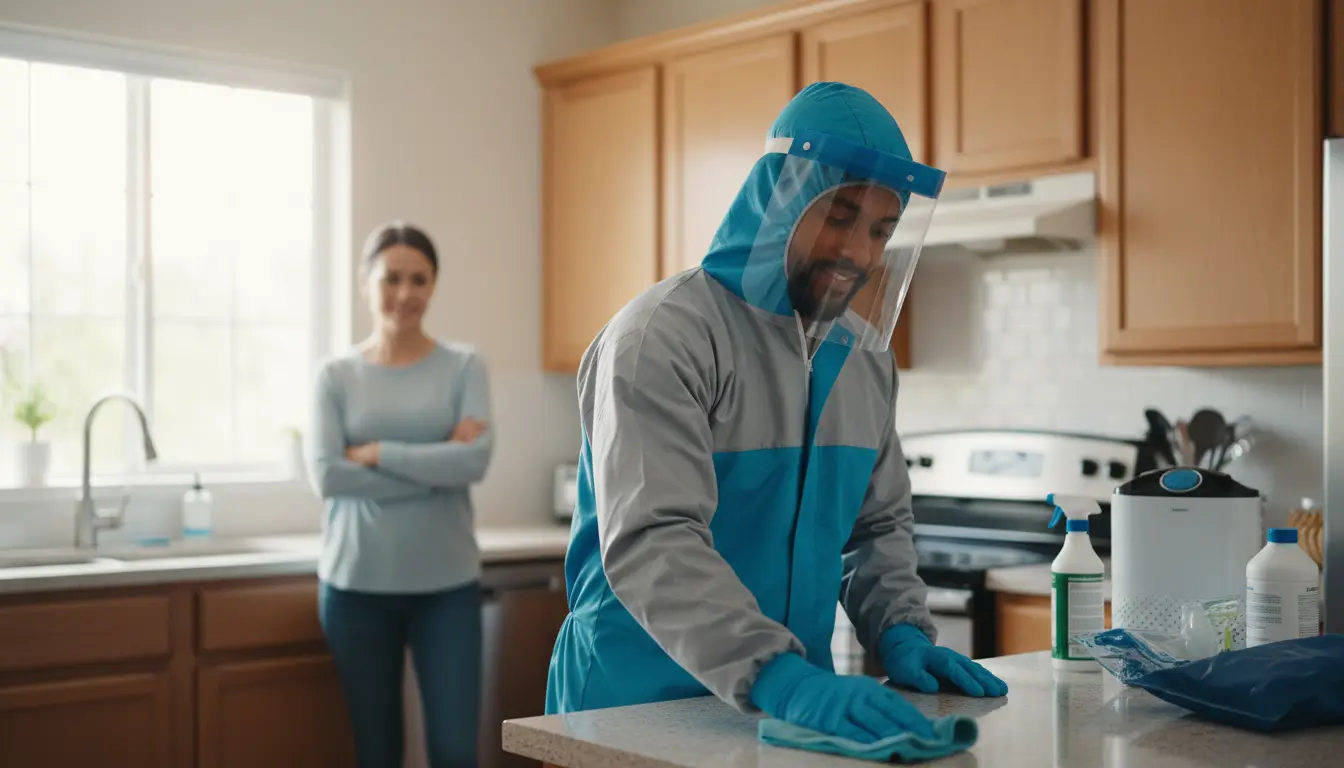
In 2026, the Missouri Department of Health reported over 1,200 confirmed cases of bloodborne pathogen exposure in residential settings across St. Louis city and county — a figure that represents only those incidents that were formally documented. The actual number is likely higher, given that many biohazard events go unreported because property owners mistakenly believe they can handle the cleanup with household cleaners. This statistic underscores a critical reality: biological hazards are far more prevalent in St. Louis homes than most people realize. From unattended deaths to sewage backups and hoarding environments, the risks are real and the consequences of improper cleanup can be severe.
Professional biohazard remediation is not a luxury; it is a necessary safety measure that protects families, property values, and public health. The St. Louis area, with its mix of historic brick structures and modern suburban homes, presents unique challenges. Older buildings often have porous subflooring and hidden cavities where biological matter can seep and linger, while the region’s humid summers accelerate decomposition and odor migration. This step-by-step guide to professional biohazard cleanup in St. Louis will walk you through every phase of the remediation process, from initial assessment to final clearance, so you understand what to expect when you call a certified specialist.
Initial Risk Assessment and Site Evaluation
Before any cleaning begins, a certified remediation specialist conducts a thorough walkthrough of the affected area. This assessment is not merely a visual inspection — it involves identifying all potential biohazards, including blood, bodily fluids, sharps, and any materials that may harbor bloodborne pathogens. The specialist also evaluates the structural integrity of the space, paying close attention to porous surfaces like drywall, carpeting, and unsealed concrete, which can absorb contaminants and become breeding grounds for bacteria and viruses.
During this phase, the team documents the scope of the contamination using high-resolution photography and measurement tools. They also assess environmental factors such as temperature, humidity, and airflow, which directly influence the rate of microbial growth. In St. Louis, where summer humidity often exceeds 70%, a site may require immediate installation of dehumidifiers to slow decomposition. This initial evaluation forms the basis for a detailed remediation plan, including the necessary equipment, manpower, and disposal protocols. For a deeper understanding of what to look for, our guide to signs you need professional biohazard removal can help you identify critical red flags.
Personal Protective Equipment and Containment Setup
Once the assessment is complete, the next step is establishing a controlled work zone. This involves setting up physical barriers, negative air pressure machines, and high-efficiency particulate air (HEPA) filtration systems to prevent cross-contamination to unaffected areas of the property. Every team member dons full personal protective equipment (PPE) compliant with OSHA Bloodborne Pathogens Standard 29 CFR 1910.1030, including Tyvek suits, double gloves, face shields, and respirators. Protecting the workers is not optional — it is a legal requirement that ensures the safety of everyone involved.
Containment also involves sealing off air vents, doorways, and other openings with heavy-duty plastic sheeting. The negative air pressure system pulls air from the contaminated zone through HEPA filters before exhausting it outside, creating a vacuum that prevents airborne pathogens from escaping. In St. Louis, where many homes have original plaster walls and shared ductwork, this step is especially critical. Without proper containment, biological particles can travel through the entire house, turning a contained problem into a widespread hazard. The ultimate guide to biohazard cleanup in St. Louis MO provides further details on these containment protocols.
Physical Removal of Biohazardous Materials
With the containment zone secure, the remediation team begins the physical removal of all contaminated materials. This includes blood-soaked carpets, saturated drywall, insulation, and any porous items that cannot be effectively disinfected. The removal process is methodical: each piece is cut, bagged, and sealed in biohazard-rated waste bags, then placed in rigid containers for transport to a licensed medical waste incineration facility. Sharps and needles are handled with extreme care using puncture-proof containers and specialized tools.
One of the most important principles in forensic restoration is that porous materials are rarely salvageable. When blood or bodily fluids soak into drywall, the contamination extends beyond the surface. Even after cleaning, the core of the material can harbor pathogens that become active again when moisture levels change. In St. Louis, where older brick homes often have lath and plaster walls, the removal process must be precise to avoid damaging the underlying structure. The team may need to cut out sections of subflooring or baseboards to access all contaminated areas. This is not a job for bleach and a mop — it requires industrial-grade tools and scientific rigor.
Chemical Sanitization and ATP Testing
After all visible biohazards are removed, the site undergoes a thorough chemical sanitization. Professional-grade, EPA-registered disinfectants are applied using electrostatic sprayers that coat every surface — including walls, ceilings, and hard-to-reach corners — with a fine mist that ensures complete coverage. These disinfectants are specifically formulated to kill a broad spectrum of pathogens, including hepatitis B, hepatitis C, HIV, and MRSA, with contact times validated by the manufacturer.
But cleaning alone is not enough. The final verification step is adenosine triphosphate (ATP) testing, which uses a bioluminescence meter to measure the presence of organic residue on a surface. A reading below a specific threshold (typically 10–30 relative light units) indicates that the surface is biologically clean. This is the same technology used in hospitals and food processing facilities to ensure that disinfection has been effective. Without ATP testing, there is no scientific proof that the site is safe. For property owners, this test provides peace of mind that the space has been restored to a habitable condition. The St. Louis biohazard stats page explains why quick, verified cleanup matters for your health and property value.
Data Comparison: Professional Remediation vs. Standard Cleaning
| Feature / Metric | Professional Biohazard Remediation | Standard Residential Cleaning |
|---|---|---|
| Regulatory Compliance | OSHA 29 CFR 1910.1030, IICRC S540, EPA waste disposal regulations | No regulatory oversight |
| Pathogen Elimination | EPA-registered disinfectants with verified contact times; ATP testing for validation | Household bleach or generic cleaners; no testing |
| Structural Assessment | Full inspection of porous materials, subflooring, and HVAC systems; professional removal of contaminated building materials | Surface-only cleaning; hidden contamination left untreated |
| Cross-Contamination Prevention | Negative air pressure, HEPA filtration, sealed containment zones | No containment; pathogens spread throughout property |
| Waste Disposal | Licensed medical waste transport to approved incineration facilities | General trash pickup — illegal and hazardous |
Expert Insights: Advanced Diagnostic Tips
Experienced remediation specialists rely on more than just sight and smell to detect contamination. One of the most effective diagnostic tools is a moisture meter combined with a thermal imaging camera. When biological fluids seep into wood or drywall, they alter the material’s moisture content. A thermal scan can reveal hidden pockets of contamination that are not visible to the naked eye, especially in older St. Louis homes with multiple layers of paint and wallpaper. This allows the team to precisely target removal areas without unnecessary demolition.
Another critical insight is that porous materials like carpet padding, ceiling tiles, and upholstered furniture almost always require removal rather than cleaning. The structure of these materials creates countless microscopic spaces where pathogens can hide. Even after repeated cleaning, the risk of reactivation remains. In the context of St. Louis’s humid climate, the likelihood of mold growth on partially cleaned porous surfaces is extremely high. Replacing these materials is the only way to ensure long-term safety.
A third tip involves the use of negative pressure. Many property owners assume that opening windows and running fans will remove odors and pathogens. In reality, this can actually spread contaminants throughout the house and into the neighborhood. Professional negative air machines create a controlled environment that pulls air from the contaminated zone out through HEPA filters, ensuring that no particles escape. For a comprehensive look at other hidden dangers, read our article on the hidden dangers of unattended biohazards in your home.
Common Mistakes Property Owners Make
One of the most frequent errors is using household bleach on biological matter. While bleach is a strong disinfectant, it is inactivated by organic material — blood and bodily fluids contain proteins that neutralize bleach within seconds. This means that the surface may look clean, but pathogens remain viable. Additionally, bleach can cause toxic fumes when mixed with other cleaning products, creating a secondary hazard. The correct approach is to use an EPA-registered hospital-grade disinfectant applied after all visible organic matter has been removed.
Another mistake is waiting for the odor to dissipate naturally. Odors from decomposition, blood, and fecal matter are not just unpleasant — they are indicators of active microbial activity. Waiting only allows the contamination to spread deeper into structural materials and can lead to permanent staining and damage. In St. Louis’s humid summers, a site that is left for 48 hours can require significantly more extensive remediation than one addressed immediately. Finally, allowing untrained personnel — including family members or well-meaning neighbors — into the contamination zone can expose them to bloodborne pathogens and create liability issues. Only trained professionals with proper PPE and vaccination records should enter a biohazard site.
Pricing: What St. Louis Residents Should Expect
Biohazard cleanup costs vary based on several factors, but understanding the general pricing structure helps property owners prepare. Here are the typical cost components:
- Site mobilization fee: A base charge that covers the dispatch of a certified crew, transportation of equipment, and initial assessment. This typically ranges from $250 to $600 depending on the location and time of day. Emergency after-hours calls in St. Louis may incur a higher fee.
- Hourly remediation rates: Most professional services charge between $150 and $350 per hour per technician. The total hours depend on the scale of contamination, the number of rooms affected, and the complexity of the removal. A small single-room incident may require 4–6 hours, while a full house cleanup can take several days.
- Specialized disposal costs: Biohazard waste must be transported and incinerated at licensed facilities. Disposal fees are typically $50 to $150 per 55-gallon drum, and the number of drums is determined by the volume of contaminated materials. Heavier items like soiled carpet or furniture add to the cost.
Three primary factors influence the final price: the extent of structural material replacement needed (e.g., removing drywall, subflooring, or insulation), the total volume of biohazardous waste, and the necessity for specialized HVAC decontamination. If the contamination has spread into the ductwork, additional cleaning and air scrubbing will be required. For a detailed breakdown, see our guide on biohazard cleanup costs what St. Louis residents pay.
Safety and Standards: Certifications That Matter
Not all cleaning companies are qualified to handle biohazard remediation. The industry standard is set by the Institute of Inspection, Cleaning and Restoration Certification (IICRC), specifically the S540 Standard for Trauma and Crime Scene Cleanup. This standard defines the procedures for decontamination, waste disposal, and final verification. Additionally, the Occupational Safety and Health Administration (OSHA) Bloodborne Pathogens Standard 29 CFR 1910.1030 mandates that all workers receive annual training, have access to the Hepatitis B vaccine, and use proper PPE. Any company operating in St. Louis must also comply with Missouri Department of Natural Resources regulations for medical waste transport and disposal.
These certifications are not just paperwork — they have real-world implications. A certified company will follow a strict chain of custody for all waste, ensuring that it is incinerated rather than dumped in a landfill. They will also have insurance coverage that protects the property owner from liability if a worker is injured or if contamination is accidentally spread. When hiring a service, always ask for proof of IICRC certification, OSHA training records, and waste disposal permits. The team at St. Louis Biohazard Cleanup holds all of these credentials and is committed to restoring your property safely and discreetly.
Frequently Asked Questions
What types of biohazards do professional remediation services handle?
Professional crews are equipped to handle blood, bodily fluids, human and animal waste, sharps and needles, decomposition residues, chemical spills, and hoarding-related contamination. Each category requires specific protocols, disinfectants, and disposal methods. For example, bloodborne pathogens like hepatitis and HIV demand a higher level of disinfection and contact time compared to general bacterial contamination. The IICRC S540 standard provides a classification system that guides the remediation approach for each type of hazard.
How long does a typical biohazard cleanup take in St. Louis?
The duration depends on the size of the affected area and the severity of contamination. A small trauma scene in a single room can be completed in 4–6 hours, while a full-house cleanup after an unattended death may take 2–4 days. Factors that extend the timeline include the need for structural material removal, HVAC decontamination, and the time required for ATP verification testing. Weather also plays a role — St. Louis’s high humidity can slow the drying process after sanitization, adding extra time to the schedule.
Is it safe to stay in the home during the remediation process?
In most cases, it is not safe for occupants to remain in the home while remediation is underway. The containment zone and negative air pressure systems create a controlled environment, but the areas outside the zone may still be affected if the contamination has spread. Additionally, the noise from equipment, the strong disinfectant odors, and the presence of workers in full PPE can be disruptive. For large-scale cleanups, the property owner should plan to be away for at least 24–48 hours. The remediation team will provide a clear timeline and advise on safe re-entry.
What makes St. Louis biohazard cleanup unique compared to other regions?
St. Louis’s housing stock includes many historic brick and masonry homes with plaster walls, wood subfloors, and shared ductwork. These materials are highly porous and can absorb biological fluids quickly, making thorough removal more challenging. The region’s climate — with hot, humid summers and cold winters — creates ideal conditions for microbial growth and odor migration. Additionally, local regulations in St. Louis City and County require specific permits for biohazard waste transport, and disposal facilities must be approved by the Missouri Department of Natural Resources. A local company like St. Louis Biohazard Cleanup is familiar with these nuances and can navigate the regulatory landscape efficiently.
Professional Biohazard Remediation in St. Louis
When a biohazard event occurs, the emotional toll on families and property owners is immense. Adding the burden of unsafe or incomplete cleanup only compounds the trauma. Professional remediation offers a way to restore your property to a safe, habitable condition while respecting the dignity of those affected. The process outlined in this guide is not just a checklist — it is a scientifically rigorous approach backed by industry standards and local expertise.
St. Louis Biohazard Cleanup combines technical skill with compassionate service. Every team member is certified, every protocol is followed, and every site is verified with ATP testing before we leave. We understand the unique challenges of St. Louis properties, from historic brick structures to modern suburban homes, and we are equipped to handle them all. If you are facing a biohazard situation, do not wait. Contact us today for a confidential assessment and take the first step toward restoring your space and your peace of mind.