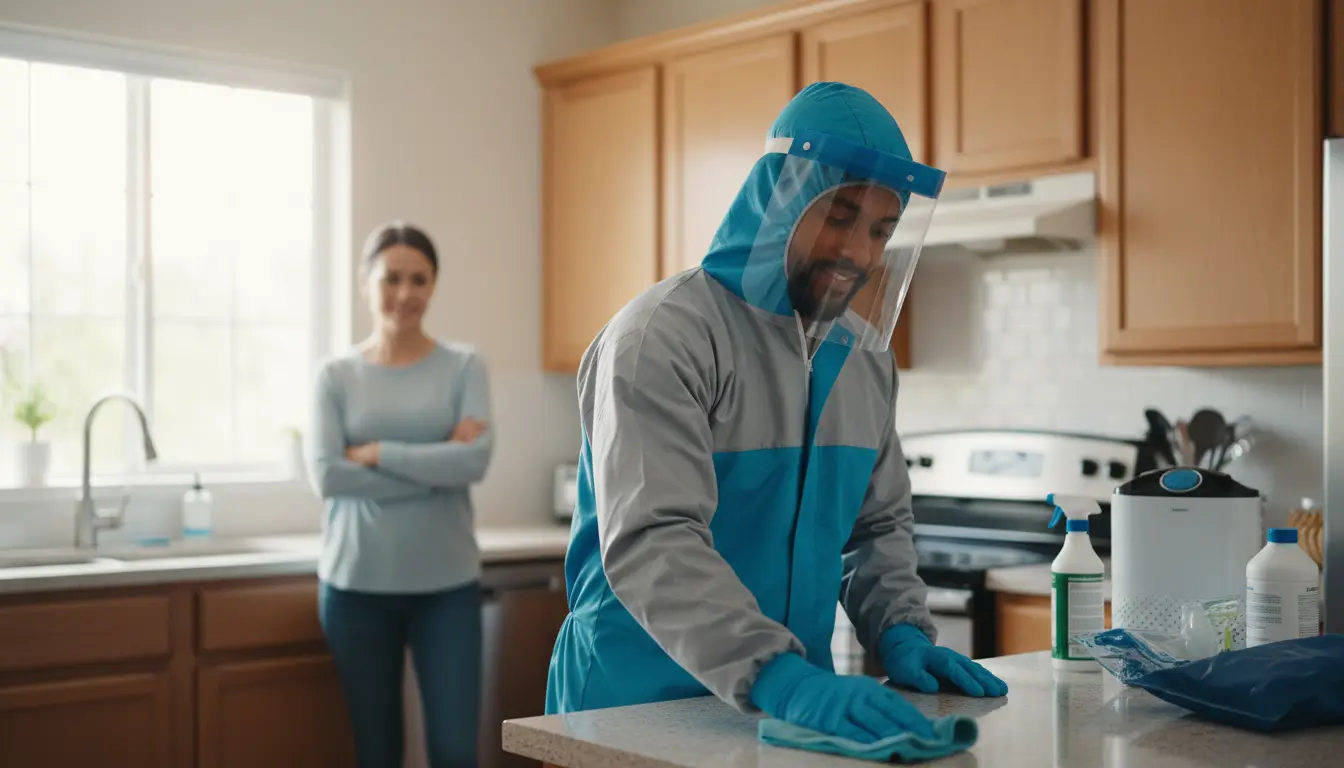
The technician knelt beside the blood-soaked carpet, his gloved hand pressing against the subfloor to gauge saturation. The initial call had estimated a two-hour job, but the seepage into the old brick foundation told a different story. For property owners across St. Louis, the question how long does a typical biohazard cleanup project take? is rarely answered with a simple number. The reality depends on a host of variables that only a trained remediation specialist can properly assess. As a certified senior biohazard remediation specialist operating in St. Louis, I have overseen dozens of projects that ranged from a few hours to multiple days, and the difference almost always comes down to site-specific conditions that are invisible to the untrained eye.
St. Louis presents unique challenges that directly influence cleanup timelines. The region’s humid summers and cold winters accelerate biological decomposition in untreated spaces, especially in older brick structures common in neighborhoods like the Central West End and Soulard. Moisture migration through porous materials like plaster and hardwood can spread contamination far beyond the visible spill, requiring a more thorough assessment and longer remediation. When you factor in the regulatory requirements of OSHA’s Bloodborne Pathogens Standard and the IICRC S540 protocol, it becomes clear why professional biohazard cleanup in St. Louis is not a quick DIY job. At St. Louis Biohazard Cleanup, we combine technical expertise with local knowledge to deliver safe, efficient, and compassionate restoration.
Understanding the Timeline for Biohazard Cleanup
The duration of a typical biohazard cleanup project is influenced by the type of incident, the size of the affected area, and the level of contamination. A small, contained blood spill on a non-porous surface might be resolved in under an hour, but that’s the exception. Most residential and commercial sites require a multi-phase process that includes assessment, removal, decontamination, and verification. On average, a standard trauma scene involving a single room with moderate contamination takes between four and eight hours. However, larger scenes, hoarding conditions, or sites with extensive decomposition can extend to two or three days.
It is important to note that the initial estimate is just a starting point. During the first walkthrough, we conduct a thorough inspection using adenosine triphosphate (ATP) fluorescence testing to identify hidden biological residues. This test measures the presence of organic matter and helps us determine the true scope of the work. If the ATP readings are high or moisture meters indicate seepage into subflooring, the timeline expands. We always communicate these findings to property owners and adjust the schedule accordingly. For a deeper look at the entire process, refer to our Ultimate Guide to Biohazard Cleanup in St. Louis, MO.
The Technical Process of Professional Remediation
Every biohazard cleanup project follows a strict workflow governed by industry standards. The first step is a risk assessment, during which we identify all hazards—bloodborne pathogens, chemical residues, sharps, and structural damage. We then establish a containment zone using negative air machines to prevent cross-contamination to other areas of the property. This is critical in St. Louis’s older buildings, where shared HVAC ducts can spread airborne contaminants quickly. After containment, we don full personal protective equipment (PPE) and begin the physical removal of biohazardous materials using color-coded bags and specialized tools.
The decontamination phase involves the application of EPA-registered hospital-grade disinfectants and enzyme treatments that break down organic matter at a molecular level. We use a two-step process: first cleaning with a detergent to remove gross soil, then disinfecting with a quaternary ammonium compound or chlorine dioxide solution. After the chemical dwell time, we perform ATP swab testing to verify that the surface is free of organic residue. If the test fails, we repeat the process. Finally, we apply a structural encapsulation coating to seal any remaining microscopic pores in the material. This step is especially important in St. Louis’s humid climate, where moisture can reactivate dormant pathogens. For more on the hidden risks of unfinished remediation, see The Hidden Dangers of Unattended Biohazards in Your Home.
Data Comparison: Professional Remediation vs. Standard Cleaning
Many property owners mistakenly believe that a standard janitorial service can handle a biohazard site. The table below highlights the critical differences between professional biohazard remediation and a typical residential cleaning approach.
| Feature/Metric | Professional Biohazard Remediation | Standard Residential Cleaning |
|---|---|---|
| Regulatory Compliance | OSHA, IICRC S540, EPA, DOT for waste transport | None |
| Pathogen Elimination | Hospital-grade disinfectants with ATP verification | Household bleach or multipurpose cleaners |
| Structural Assessment | Moisture meters, thermal imaging, and subfloor inspection | Visual only |
| Waste Disposal | Licensed biohazard waste transport and incineration | Standard trash pickup (illegal) |
| Cross-Contamination Prevention | Negative air pressure, HEPA filtration, and containment barriers | None |
Expert Insights from a Certified Specialist
Over the years, I have developed three advanced diagnostic tips that help me accurately estimate the time required for a biohazard cleanup project. First, always check for hidden biological seepage by using a thermal imaging camera on walls and floors. In St. Louis’s older homes, fluids can travel along brick joints and under hardwood planks without any surface indication. If the thermal scan shows a temperature differential, we know the material is wet and saturated, which adds hours to the removal and drying time.
Second, understand that porous materials like drywall, carpet, and unsealed concrete cannot be fully cleaned after a biological event. The pathogens embed themselves in the pores, and no amount of scrubbing will remove them. Replacement is the only safe option. This realization often extends the timeline because cutting out and disposing of contaminated building materials requires careful containment and structural support. Third, always use negative pressure to prevent cross-contamination. I have seen sites where a single doorway allowed airborne contaminants to travel to the rest of the house, turning a one-room job into a whole-house decontamination.
Common Mistakes Property Owners Make
One of the most frequent mistakes is using household bleach on biological matter. Bleach is a disinfectant, but it is inactivated by organic soil and can cause respiratory irritation. Worse, it does not remove the protein residue that fuels bacterial growth. I have had to re-clean multiple sites where bleach was applied, because the underlying contamination remained. Another common error is waiting for odor to dissipate naturally. The odor you smell is caused by volatile organic compounds released by decomposing tissue or blood. Waiting only allows the odor to penetrate deeper into the structure, making later remediation more expensive and time-consuming. Finally, allowing untrained personnel into the site before professional remediation can spread contamination on shoes and clothing, as well as expose them to bloodborne pathogens. For more on what to avoid, read our Top 7 Signs You Need Professional Biohazard Removal Now.
Pricing for Biohazard Cleanup in St. Louis
Costs vary widely based on the scope of work, but understanding the pricing structure helps property owners plan ahead. Typical pricing elements include:
- Site mobilization fee: A flat fee that covers travel, equipment setup, and initial assessment. This usually ranges from $150 to $500 depending on the distance and urgency.
- Hourly remediation rate: Most professionals charge between $150 and $300 per hour per technician, including PPE and chemicals. A standard one-room cleanup often takes 4 to 8 hours, so the labor portion can be $600 to $2,400.
- Specialized disposal fees: Biohazard waste must be transported by licensed carriers and incinerated. Costs range from $50 to $200 per biohazard bag, depending on the weight and local disposal facility rates.
Three factors strongly influence the final cost. The extent of structural material replacement needed is the biggest driver—if drywall, flooring, or cabinets must be removed and replaced, the price jumps significantly. The total volume of biohazardous waste also matters; a single small spill may generate one or two bags, while a hoarding scene can produce dozens. Finally, the necessity for specialized HVAC decontamination adds significant cost, because ductwork must be sealed and cleaned using HEPA vacuums and antimicrobial treatments. For a detailed breakdown, see our Biohazard Cleanup Costs: What St. Louis Residents Pay.
Safety & Standards in Biohazard Remediation
All of our work is guided by federal and industry standards to ensure the highest level of safety. We adhere to OSHA’s Bloodborne Pathogens Standard (29 CFR 1910.1030), which mandates proper training, PPE, sharps disposal, and exposure control plans. We are also certified by the IICRC in Trauma and Crime Scene Cleanup (S540), which provides a framework for structural decontamination and verification. Our technicians are trained in the use of EPA-registered disinfectants, and we maintain a chain of custody for all waste, which is transported by a licensed medical waste hauler to a permitted incineration facility.
These standards are not just bureaucratic checkboxes; they have real-world consequences. For property owners, hiring a certified team means the difference between a site that is truly safe for reoccupation and one that continues to harbor pathogens. In St. Louis, where many homes are multi-generational and family members may have compromised immune systems, the stakes are even higher. Proper remediation protects not only the occupants but also future residents and property value. To learn more about prevention, review our Protect Your Family: Essential Biohazard Prevention Tips.
Frequently Asked Questions About Biohazard Cleanup Timelines
How long does a typical biohazard cleanup project take?
Most projects fall into one of three categories: small, contained spills (1 to 2 hours); moderate trauma scenes with one room and limited seepage (4 to 8 hours); and large or complex scenes involving multiple rooms, saturation, or hoarding (1 to 3 days). The timeline is always determined after the initial assessment, which includes ATP testing and moisture readings. We provide a detailed estimate before beginning any work, and we update the property owner as the project progresses.
What factors can extend the timeline?
Several variables can increase the duration. The most common are hidden saturation in subfloors or walls, which requires extensive drying and structural removal. The presence of a hoarding situation adds significant time because of the volume of material to be sorted and removed. Weather also plays a role; in St. Louis, high humidity can slow drying times, and extreme cold can affect the efficacy of chemical disinfectants. Additionally, if the site requires special handling of hazardous materials such as methamphetamine residue or chemical spills, the timeline may extend to allow for additional testing and specialized disposal.
Is it safe to stay in the home during cleanup?
In most cases, the area being cleaned must be isolated, and occupants should not be present during the active remediation phase. The use of negative air machines, chemical odors, and the disturbance of biological materials create a health risk. We recommend that residents stay elsewhere until the site passes final ATP testing and the containment is removed. For small, isolated incidents, it may be possible to remain in a separate part of the home, but we always advise erring on the side of caution. Our team will provide specific guidance based on the site layout.
Will insurance cover biohazard cleanup?
Many homeowners and commercial property insurance policies include coverage for biohazard cleanup, especially if the incident results from a covered event like a crime, accident, or sudden illness. However, coverage varies by policy. We work with property owners to provide detailed documentation of the work performed, including photos, ATP test results, and waste disposal receipts, which can help support insurance claims. It is advisable to contact your insurance provider as soon as possible after the incident. For more information on what to expect, see our Emergency Biohazard Cleanup Tips for Missouri Businesses.
Professional Biohazard Remediation in St. Louis
When a biohazard incident occurs, time is of the essence. The longer the contamination sits, the deeper it penetrates into the structure and the greater the risk of disease transmission and structural damage. Professional remediation not only restores the site to a safe condition but also provides the property owner with peace of mind. At St. Louis Biohazard Cleanup, we combine technical expertise, compassion, and a deep understanding of the local environment to deliver efficient, thorough, and respectful service. Whether you are dealing with a trauma scene, unattended death, hoarding situation, or industrial accident, we are here to help.
Our team is available 24/7 and can respond to any location in the St. Louis metro area, including the Central West End, Soulard, Clayton, and University City. We handle every step of the process, from initial assessment to final verification, and we communicate clearly with property owners throughout. If you have a biohazard situation, do not wait. Contact us today for a discreet, no-obligation consultation. For more resources, visit our blog or call us directly.