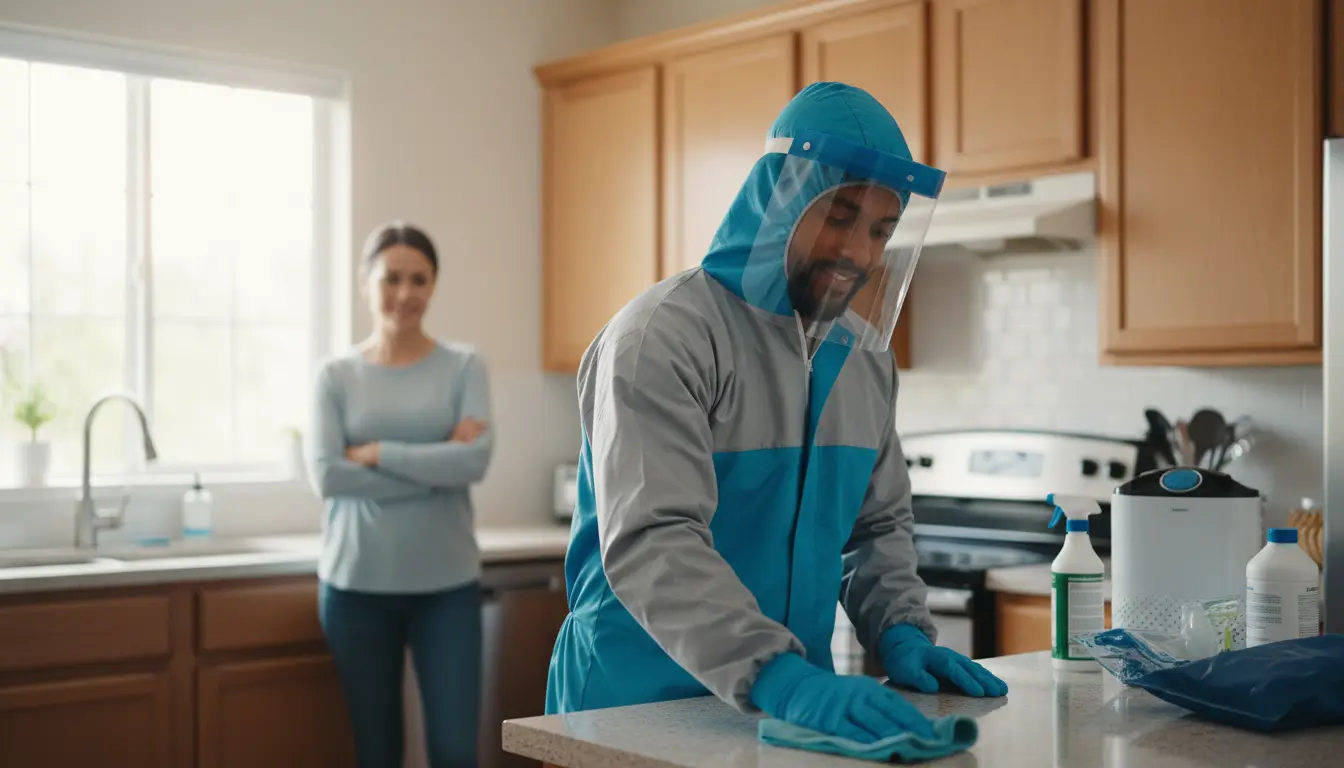
When biological hazards go unnoticed or are improperly addressed, the consequences ripple far beyond the immediate scene. Pathogens linger in porous materials, odor molecules embed themselves in HVAC systems, and structural integrity can be compromised by prolonged exposure to biological fluids. For property owners in St. Louis, where older brick homes and tight urban lots are common, the stakes are particularly high. Professional remediation is not about aesthetics; it is about restoring safety, preventing disease transmission, and preserving the long-term value of one of the most significant investments a family will ever make.
St. Louis Biohazard Cleanup operates at the intersection of technical rigor and compassionate service, ensuring that every site we handle is returned to a safe, habitable condition. Our protocols are rooted in the IICRC S540 standard for trauma and crime scene cleanup, and our team holds current OSHA Bloodborne Pathogens certifications. We do not cut corners because the cost of a mistake—measured in health outcomes or legal liability—is far too high.
The Technical Workflow of Professional Biohazard Remediation
Professional remediation follows a strict, science-backed sequence designed to eliminate biological hazards at the molecular level. The first step is always a comprehensive risk assessment. Our technicians evaluate the type and volume of biohazardous material, the porosity of affected surfaces, and the potential for airborne contamination. In a typical St. Louis residential setting, this might involve testing for bloodborne pathogens like hepatitis B or C, assessing mold growth in damp subfloor areas, and identifying any sharp objects or medical waste that require specialized handling.
Once the assessment is complete, we establish containment zones using heavy-duty polyethylene sheeting and negative air machines. These industrial-grade units create negative pressure within the work area, pulling air through HEPA filters before exhausting it outside. This prevents microscopic particles—including viral droplets and bacterial spores—from migrating to unaffected rooms. For a property owner, this means the rest of the house remains livable during the remediation process, and cross-contamination is effectively eliminated.
The actual removal phase involves the careful extraction of all biohazardous materials. This includes saturated carpeting, padding, drywall, and insulation, as well as any porous items like upholstered furniture or mattresses that cannot be sufficiently decontaminated. We use hospital-grade disinfectants registered with the EPA for specific pathogens, applying them with electrostatic sprayers that ensure complete coverage of complex surfaces. After disinfection, every surface is tested using adenosine triphosphate (ATP) fluorescence testing. ATP is present in all biological matter, so a reading of zero confirms that the site is biologically clean.
Why Local Climate Demands a Different Approach
St. Louis experiences dramatic seasonal swings, from humid summers with dew points in the 70s to freezing winters that can cause pipes to burst. These conditions directly affect how biological materials behave. In summer, decomposition accelerates rapidly, and fluids can wick up through porous concrete slabs, creating hidden reservoirs of contamination. In winter, low humidity may delay odor detection, giving biological matter more time to penetrate structural elements before it is noticed. Professional remediation accounts for these variables by adjusting dwell times for chemical disinfectants and using moisture meters to detect seepage that would be invisible to the naked eye.
For property owners, this attention to local conditions is not just a technical detail; it is a safeguard against recurring problems. A site that appears clean after a superficial wipe-down may still harbor pathogenic material that becomes active again when humidity rises. Professional remediation eliminates this risk by addressing the root cause of contamination, not just its visible manifestations.
Data Comparison: Professional Remediation vs. Standard Cleaning
| Feature/Metric | Professional Biohazard Remediation | Standard Residential Cleaning |
|---|---|---|
| Regulatory Compliance | OSHA 29 CFR 1910.1030, IICRC S540, EPA waste disposal regulations | None; no biohazard training required |
| Pathogen Elimination | Hospital-grade disinfectants, ATP testing for verification | Household bleach or all-purpose cleaners; no efficacy testing |
| Structural Assessment | Moisture mapping, porosity testing, subfloor inspection | Visual inspection only; hidden damage missed |
| Odor Control | Industrial ozone or hydroxyl generators, enzyme treatments | Air fresheners or masking agents; odor returns |
| Waste Disposal | Licensed biohazard transport, incineration or autoclaving | Curbside trash; illegal and hazardous |
| Liability Protection | Insurance-backed, documented chain of custody | None; property owner assumes all risk |
Expert Insights: What Experienced Remediation Specialists Know
After years of working on sites across St. Louis, our team has developed diagnostic techniques that go beyond textbook protocols. One critical skill is detecting hidden biological seepage. When a body decomposes on a hardwood floor, fluids do not just stay on the surface; they flow along the path of least resistance, often seeping between floorboards and pooling on the subfloor below. A professional uses a moisture meter with a deep-penetration probe to find these hidden pockets. If left untreated, they become breeding grounds for bacteria and mold, leading to structural rot and long-term health risks for occupants.
Another key insight involves porous materials. Many property owners assume that cleaning a stained concrete slab or a wooden beam is sufficient. In reality, porous materials like unsealed concrete, brick, and wood absorb biological fluids at a microscopic level. Cleaning agents cannot reach the contaminants trapped inside the pores. The only effective solution is physical removal—grinding down concrete surfaces, cutting out affected sections of wood, or applying a specialized encapsulant that seals the material permanently. Attempting to clean these surfaces without removal is a false economy that leads to recurring odors and potential pathogen exposure.
Negative pressure containment is another area where amateur efforts fall short. Without a properly sealed containment zone, airborne particles from a trauma scene can circulate through a home’s HVAC system, contaminating ductwork and spreading to every room. Professional remediation teams seal vents, set up negative air machines, and monitor pressure differentials throughout the process. This is not optional; it is the only way to prevent cross-contamination in a multi-room residential structure.
Common Mistakes Property Owners Make
One of the most frequent errors we encounter is the use of household bleach on biological matter. Bleach is effective against some pathogens but is rapidly deactivated by organic material like blood or tissue. It also releases harmful fumes that can irritate lungs and eyes. In practice, pouring bleach on a bloodstain can actually spread the contamination by breaking down the clot without killing the pathogens underneath. Professional disinfectants, by contrast, are formulated to maintain efficacy in the presence of organic load and are applied in specific concentrations with appropriate dwell times.
Another mistake is waiting for odors to dissipate naturally. Odor molecules from decomposition are volatile organic compounds that bond with surfaces like drywall, carpet, and upholstery. They do not disappear on their own; they simply become less noticeable as the olfactory system adapts. Over time, the odor can become a permanent fixture of the property, making it uninhabitable and significantly reducing resale value. Professional remediation uses enzyme treatments that break down odor-causing molecules at the chemical level, along with ozone or hydroxyl generators that oxidize remaining particles.
Finally, allowing untrained personnel—friends, family members, or even general contractors—into a biohazard site is a serious mistake. Without proper personal protective equipment (PPE) and training, these individuals risk exposure to bloodborne pathogens, airborne mold spores, and chemical hazards. Even a minor cut or splash can lead to infection. Beyond the health risks, untrained cleanup can create legal liabilities if waste is disposed of improperly or if the site is not fully decontaminated.
Pricing and Cost Factors for Biohazard Remediation
Pricing for professional biohazard remediation in St. Louis is not one-size-fits-all, but understanding the typical cost structure helps property owners plan. Most providers charge a standard site mobilization fee, which covers the arrival of a certified crew, setup of containment equipment, and initial assessment. This fee typically ranges from $350 to $750 depending on the distance traveled and the complexity of the site.
Hourly remediation rates for trauma and biohazard cleanup generally fall between $150 and $300 per hour per technician. A standard scene involving a single room with moderate contamination may require 4 to 8 hours of work with a two-person crew. More complex sites, such as those involving extensive decomposition or multiple rooms, can require 20 or more hours.
Three primary factors influence the total cost. First, the extent of structural material replacement. If biological fluids have soaked through drywall, insulation, or subflooring, those materials must be cut out and replaced. The cost of materials and labor for reconstruction can add $1,000 to $5,000 or more. Second, the total volume of biohazardous waste. Disposal is regulated by Missouri state law and the EPA, requiring licensed transport and incineration. Waste disposal fees are typically calculated per pound or per container, and can range from $200 to $1,500 for a typical scene. Third, the necessity for specialized HVAC decontamination. If airborne contaminants have entered the ductwork, professional duct cleaning and disinfection may be required, adding $500 to $2,000 to the overall cost.
Safety Standards and Regulatory Compliance
Professional biohazard remediation is governed by a framework of federal, state, and industry standards that exist to protect both workers and property occupants. The most critical of these is the OSHA Bloodborne Pathogens Standard (29 CFR 1910.1030), which mandates specific training, PPE requirements, and exposure control plans for anyone handling potentially infectious materials. Our technicians complete annual refresher training and are equipped with Tyvek suits, nitrile gloves, face shields, and N95 or P100 respirators as appropriate.
Beyond OSHA, the IICRC S540 standard provides a detailed protocol for trauma and crime scene cleanup. It covers everything from initial site assessment and containment to waste disposal and final verification. Adherence to this standard is not just a mark of professionalism; it is a practical guarantee that the work is done correctly. For property owners, this means that once we complete a job, the site is biologically safe and meets the requirements for insurance claims and future occupancy.
Waste disposal is another area where compliance is non-negotiable. Biohazardous waste must be transported by a licensed medical waste hauler and disposed of through incineration or autoclaving. Improper disposal—such as placing contaminated materials in regular trash—violates Missouri regulations and can result in fines or legal action. Professional remediation teams maintain a chain of custody for all waste, providing documentation that protects property owners from liability.
Frequently Asked Questions About Biohazard Remediation
How soon should I call a professional after discovering a biohazard?
Immediately. Time is a critical factor in biohazard remediation. The longer biological materials remain in place, the deeper they penetrate porous surfaces, the more they spread through air currents, and the more they attract insects or vermin. In the St. Louis climate, where warm and humid conditions accelerate decomposition and microbial growth, a delay of even 24 hours can significantly increase the scope and cost of remediation. Calling a professional at the first sign of a hazard minimizes health risks and preserves more of the original structure.
Can I stay in my home during the remediation process?
In most cases, no. During active remediation, the work area is under negative pressure, and chemical disinfectants are being applied. Occupants should vacate the affected zone until the containment is removed and final air quality testing is complete. For multi-room houses, it may be possible to remain in unconnected areas, but this depends on the layout and the severity of the contamination. Our team provides clear guidance based on the specific site conditions, always prioritizing occupant safety.
What happens to my belongings that are contaminated?
Items that are porous and have been directly exposed to biohazardous materials—such as clothing, bedding, upholstered furniture, and carpets—are typically removed and disposed of as regulated medical waste. Non-porous items like hard plastic or metal can often be cleaned and disinfected. We always conduct a careful inventory and consult with the property owner or family before disposing of any personal items. In cases of sentimental value, we explore all possible options for safe cleaning before resorting to disposal.
Does homeowner’s insurance cover biohazard remediation?
Many homeowner’s insurance policies cover biohazard remediation, particularly when the event is sudden and accidental, such as a homicide, suicide, or unattended death. Some policies also cover cleanup after biohazard incidents involving sewage backups or chemical spills. However, coverage varies widely, and it is essential to contact your insurance provider as soon as possible. St. Louis Biohazard Cleanup works with most major insurance companies and can provide detailed documentation and estimates to support your claim. We also offer direct billing to insurers when authorized.
How do you verify that a site is truly clean?
We use adenosine triphosphate (ATP) fluorescence testing as our primary verification method. After cleaning and disinfection, we swab various surfaces and insert the sample into a luminometer. The device measures the amount of ATP present; a reading of zero indicates no biological residue remains. For sites with odor concerns, we also use electronic noses that detect volatile organic compounds at parts-per-billion levels. These objective measurements provide proof that the site meets safety standards, giving property owners confidence that their home is truly restored.
Professional Biohazard Remediation in St. Louis
When a property faces a biohazard event, the path to recovery involves far more than surface cleaning. It demands a deep understanding of pathogen behavior, structural materials, and regulatory requirements. For families and property owners in St. Louis, the stakes extend beyond immediate safety to include long-term health outcomes, property value preservation, and legal protection. Professional remediation provides the technical expertise and compassionate support needed to navigate these challenges effectively.
St. Louis Biohazard Cleanup stands ready to respond 24/7 with certified technicians, industrial-grade equipment, and a commitment to restoring your property to a safe, livable condition. Whether you are dealing with an unattended death, a trauma scene, a hoarding situation, or a hidden mold infestation, our team is equipped to handle the most complex scenarios with discretion and precision. Do not leave your family’s safety to chance. Contact us today to learn how professional remediation protects families and property owners in St. Louis and the surrounding areas.