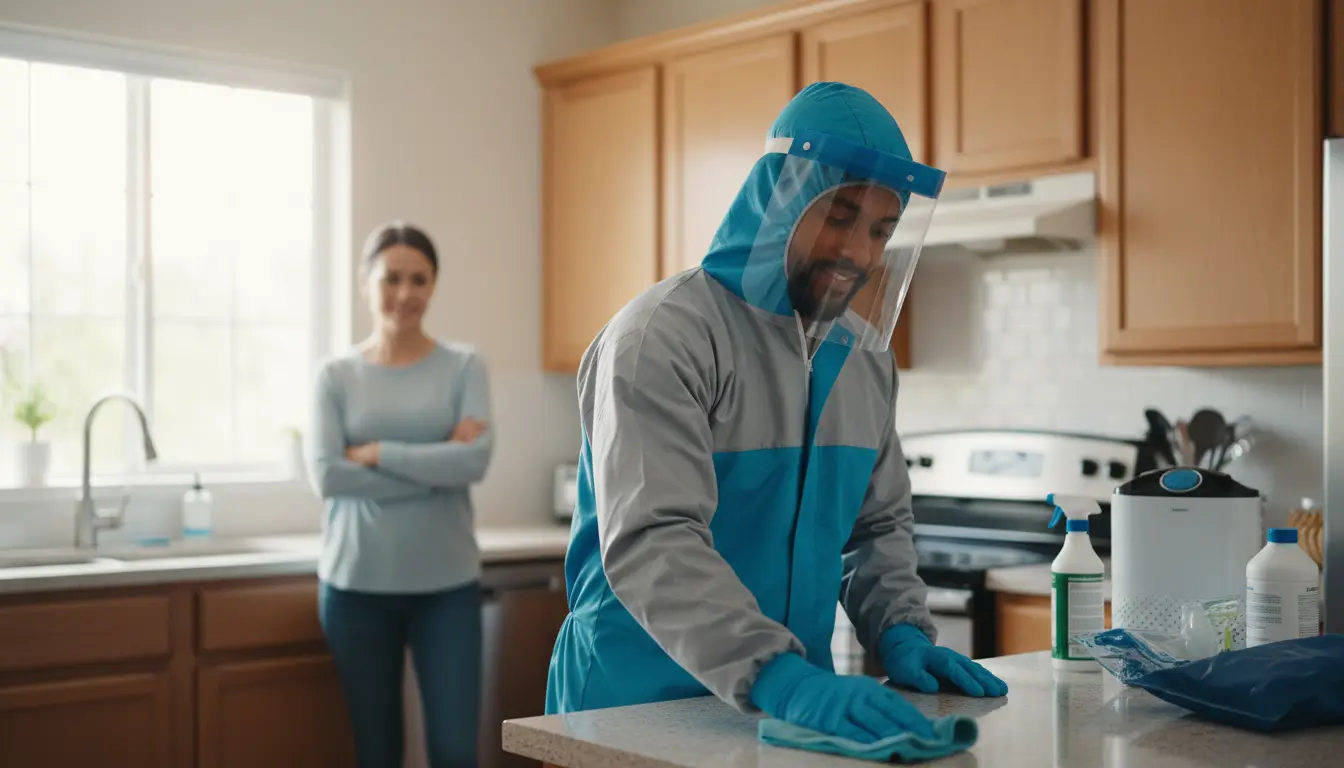
The prevailing assumption among St. Louis homeowners is that any professional cleaning service can handle a biohazard situation. This belief, while understandable, is dangerously incorrect and could lead to significant health risks and regulatory fines. Standard residential cleaning crews lack the specialized training, protective equipment, and EPA-registered chemical agents required to safely neutralize bloodborne pathogens, remove structural contaminants, and ensure a site is truly restored to a habitable condition. For neighborhoods across St. Louis, from Soulard to Clayton, the difference between a proper remediation and a surface-level clean is measured in safety and long-term property value.
Professional biohazard cleanup is not merely a deeper scrub; it is a forensic process grounded in occupational safety and environmental protection standards. When an unattended death, a violent crime, or a severe medical event occurs, the biological materials involved can seep into porous subflooring, drywall, and HVAC systems. The pathogens present, including Hepatitis B, HIV, and MRSA, can remain infectious for days or even weeks outside the host. This is why the services offered by St. Louis Biohazard Cleanup are not a luxury but a critical intervention for property owners, landlords, and families who need to restore safety and peace of mind.
Understanding the Scope of Biohazard Remediation in St. Louis
The technical term for what we do is trauma scene cleanup or forensic restoration, a field governed by the IICRC S540 standard. This is not a task for a mop and a bottle of bleach. It involves a meticulous, step-by-step process that begins with a risk assessment of the affected area. Our team evaluates the type and volume of biohazardous material, the porosity of the surfaces involved, and the potential for airborne contamination. In older St. Louis brick homes, for example, biological fluids can wick into mortar joints and beneath hardwood floorboards, requiring targeted removal.
Following the assessment, we establish a controlled containment zone using negative air pressure. This prevents airborne particulates from migrating to clean areas of the property. Our technicians don full personal protective equipment (PPE), including Tyvek suits, respirators with HEPA filters, and chemical-resistant gloves. Every piece of equipment and every tool used on site is either disposed of as biohazardous waste or undergoes rigorous decontamination before leaving the workspace. This level of protocol is non-negotiable and is a core component of our professional remediation services.
Decomposition and the St. Louis Climate
One of the most challenging variables in this region is the Midwest climate. The high humidity and temperature swings common to St. Louis dramatically accelerate the rate of decomposition. A body that goes undiscovered for 48 hours in a South City residence during a humid August week will produce a vastly different contamination profile than one discovered in a cool, dry basement in December. The biological fluids associated with decomposition, known as purge fluid, are highly acidic and can etch concrete and corrode metal fixtures. Our process includes the use of specialized enzyme treatments that break down these organic compounds at a molecular level, neutralizing odors that would otherwise become permanent fixtures in the structure.
Professional Remediation vs. Standard Cleaning: A Data Comparison
To illustrate the critical differences between a professional biohazard remediation and a standard residential cleaning service, the following comparison highlights key performance metrics. This data is drawn directly from the IICRC S540 standard and our operational protocols.
| Feature/Metric | Professional Biohazard Remediation | Standard Residential Cleaning |
|---|---|---|
| Regulatory Compliance | Adheres to OSHA 29 CFR 1910.1030, EPA waste disposal, and DOT transport regulations | No biohazard-specific regulatory compliance |
| Pathogen Elimination | Uses EPA-registered hospital-grade disinfectants with verified kill times for HIV, HBV, and TB | Uses household cleaners not tested against bloodborne pathogens |
| Structural Assessment | Includes identification of porous material saturation and sub-floor contamination | Surface-level cleaning only; no structural evaluation |
| Waste Disposal | Follows strict protocols for packaging, labeling, and incineration of biohazardous waste | Waste is placed in regular garbage, posing a public health risk |
| Odor Elimination | Employs negative air machines, ozone treatment, and thermal fogging to neutralize VOCs | Relies on air fresheners, which do not remove the source of the odor |
Expert Diagnostic Insights for St. Louis Property Owners
Our senior technicians often encounter scenarios where property owners have attempted initial cleaning before calling for professional help. This can mask the true extent of contamination. Here are three diagnostic insights we use to ensure a thorough remediation.
Hidden Biological Seepage Detection
Blood and other bodily fluids do not stay on the surface. In a structure with a concrete slab foundation, common in many St. Louis ranch-style homes, fluids can seep into micro-cracks in the concrete. A visual inspection is insufficient. We use adenosine triphosphate (ATP) fluorescence testing, a process that measures the presence of organic material on a surface. If an ATP reading is high after cleaning, it indicates that biological residue remains, often requiring the removal of the top layer of the concrete using a grinding tool. This is a level of diagnostic precision that no standard cleaning crew possesses.
Porous Material Replacement vs. Cleaning
A common mistake is believing that a porous surface like drywall, carpet, or upholstery can be cleaned of biohazards. In reality, these materials act like sponges. Once saturated with blood or other fluids, the pathogens are trapped within the fibers or gypsum core. Cleaning the surface will not decontaminate the interior. The only safe protocol is removal and disposal. We cut drywall 12 to 18 inches above the visible fluid line to ensure all contaminated material is gone. This is not an overreaction; it is a scientifically sound method for preventing long-term microbial growth and health hazards.
The Critical Role of Negative Pressure
Without a negative air pressure system, airborne pathogens and odor molecules can travel through a home’s HVAC system or simply drift through open doorways, contaminating every room. We seal off the affected area with polyethylene sheeting and use a HEPA-filtered negative air machine to create a vacuum. This ensures that air flows into the work zone and is filtered before being exhausted outside. Failing to establish this containment is the primary reason why odors can persist in a home for months after an initial cleanup attempt.
Common Mistakes Property Owners Make
Understanding the pitfalls others have faced can save you time, money, and exposure to serious health risks. The most frequent error is the use of household bleach on biological matter. Bleach is a corrosive chemical that can damage surfaces and release toxic fumes when mixed with organic materials. It is not an effective disinfectant on porous surfaces and does not neutralize the organic compounds that cause odor. Another critical mistake is attempting to live in the property while waiting for odors to dissipate. Decomposition odors are the result of volatile organic compounds, which are not only unpleasant but also potentially harmful to the respiratory system. Finally, allowing untrained family members or friends into the site to help with cleanup exposes them to bloodborne pathogens and psychological trauma. The consequences of these mistakes include long-term respiratory issues, structural damage that requires expensive replacement, and the emotional burden of reliving a traumatic event.
Understanding the Cost of Biohazard Cleanup in St. Louis
Pricing for our services is structured to reflect the complexity and risk of the job. We do not offer a one-size-fits-all price because every scene is unique. However, understanding the typical cost factors can help you plan.
- Site Mobilization Fee: A standard fee that covers the cost of dispatching a certified team, the vehicle, and the initial inventory of PPE and cleaning agents. This ensures we arrive prepared for any scenario.
- Hourly Remediation Rates: The bulk of the cost is calculated based on the time required for containment, removal, cleaning, and verification testing. A straightforward blood spill in a non-porous area might take a few hours, while a whole-room decontamination following a traumatic event can take a full day or more.
- Specialized Disposal Costs: Biohazardous waste must be incinerated at a licensed facility. The cost is determined by the weight and volume of the material. This is a non-negotiable expense that ensures compliance with environmental regulations.
Three primary factors influence the final price: the extent of structural material replacement required, the total volume of biohazardous waste generated, and the necessity for specialized HVAC decontamination if the ventilation system has been compromised. For a more detailed breakdown, many residents find our article on biohazard cleanup costs for St. Louis residents to be a helpful resource.
Safety Standards and Certifications You Can Trust
Our commitment to safety is not a marketing claim; it is a legally binding operational standard. Every technician on our team is trained in accordance with the OSHA Bloodborne Pathogens Standard (29 CFR 1910.1030). This training covers proper handling of sharps, decontamination of surfaces, and the use of personal protective equipment. We are also IICRC certified in trauma and crime scene cleanup, which means we follow the industry’s highest standards for structural restoration. Furthermore, we partner with authorized medical waste transport and disposal companies to ensure that all waste leaves the site in sealed, properly labeled containers and is incinerated in compliance with Missouri Department of Natural Resources regulations. This chain of custody is critical for protecting not only the current property owner but also future tenants and waste management personnel.
Frequently Asked Questions About Biohazard Cleanup
Is it safe to stay in my home during the remediation process?
No. For your safety, you should not occupy the property while we are performing remediation. The containment zone, negative air pressure, and use of strong chemical agents create an environment that is not safe for unprotected individuals. We advise all occupants to leave the premises until we have completed final verification testing and cleared the area for re-entry. This is a standard safety protocol that aligns with CDC guidelines for infection control.
How quickly do you respond to a call in the St. Louis area?
We offer a 24-hour emergency response service because time is critical in biohazard situations. The longer biological materials remain, the deeper they penetrate into surfaces and the more they decompose. Our team is on standby to respond to any neighborhood in the St. Louis metro area, including the central corridor, North County, and South City. A rapid response not only reduces health risks but also minimizes structural damage and the overall cost of restoration. Our 24-hour biohazard services are designed for exactly these urgent scenarios.
Can you clean up a scene without removing carpets or drywall?
In the vast majority of cases involving significant biological fluid saturation, the answer is no. Porous materials like carpet, pad, drywall, and insulation act as reservoirs for pathogens. Attempting to clean them leaves behind a high risk of bacterial or viral regrowth. During our initial assessment, we determine the extent of saturation. If the material is non-porous, we can clean and disinfect it. If it is porous and has been directly contaminated, removal is the only safe option. This is not a matter of convenience; it is a matter of public health.
What happens to the waste after you leave?
All biohazardous waste is double-bagged in red, OSHA-compliant biohazard bags, sealed, and labeled. We transport it in a dedicated vehicle to a licensed medical waste incineration facility. You will never have to handle or dispose of any material from the scene. We provide a certificate of disposal for your records, which is often required by insurance companies and property management firms. This ensures full compliance with all federal and state waste transport regulations.
Professional Biohazard Remediation in St. Louis
When the unthinkable happens in a home or business in St. Louis, the priority must be the health and safety of everyone involved. Attempting to manage a biohazard situation without the proper training, equipment, and certifications is a gamble that can lead to severe and lasting consequences. Our team at St. Louis Biohazard Cleanup is dedicated to providing a service that is not only technically rigorous but also discreet and compassionate. We understand the emotional weight of these situations, and we handle every site with the respect and professionalism it deserves.
From the initial call to the final certificate of remediation, we manage every aspect of the process. We handle the logistics of waste transport, coordinate with insurance adjusters, and ensure that the property is restored to a safe and habitable condition. For residents in neighborhoods like the Central West End, Tower Grove, or St. Charles, we offer a reliable, local solution that meets the highest industry standards. Do not rely on general cleaning services for a job that requires forensic-level expertise. Trust the certified professionals who are trained to restore your property safely and thoroughly.