Most property owners assume that a bottle of bleach and some rubber gloves are enough to handle a biological spill. In reality, household bleach is largely ineffective against many bloodborne pathogens and can even cause protein fixation—a process where contaminants bind more tightly to surfaces, making them harder to remove. The truth is that how contaminated materials are removed and disposed of safely requires a far more rigorous, science-backed approach than common cleaning routines allow, especially in a city like St. Louis where older brick structures and seasonal humidity create unique challenges.
Biological hazards—whether from trauma scenes, unattended deaths, hoarding environments, or flood-related sewage backups—pose serious health risks that extend well beyond visible stains. Bloodborne pathogens such as hepatitis B, hepatitis C, and HIV can survive on surfaces for days or even weeks, while bacterial colonies thrive in porous materials like wood, drywall, and carpet. Without proper containment, these contaminants can migrate through a home’s HVAC system, affecting every room. That is why professional biohazard remediation is not a luxury but a necessity for protecting both occupants and property value in the St. Louis metro area.
St. Louis Biohazard Cleanup offers the technical expertise, specialized equipment, and compassionate service required to restore safety and peace of mind. Our teams follow strict OSHA, EPA, and IICRC S540 protocols to ensure every site is thoroughly decontaminated and restored to a habitable condition.
The Technical Process: How Contaminated Materials Are Removed and Disposed of Safely
Professional remediation begins with a comprehensive risk assessment. Our technicians evaluate the scene to identify all biohazardous materials, including blood, bodily fluids, tissue, and any objects contaminated by them. We also assess structural elements such as subflooring, wall cavities, and HVAC systems for hidden contamination. In St. Louis, the high humidity common from spring through fall accelerates decomposition and odor migration, making early detection critical.
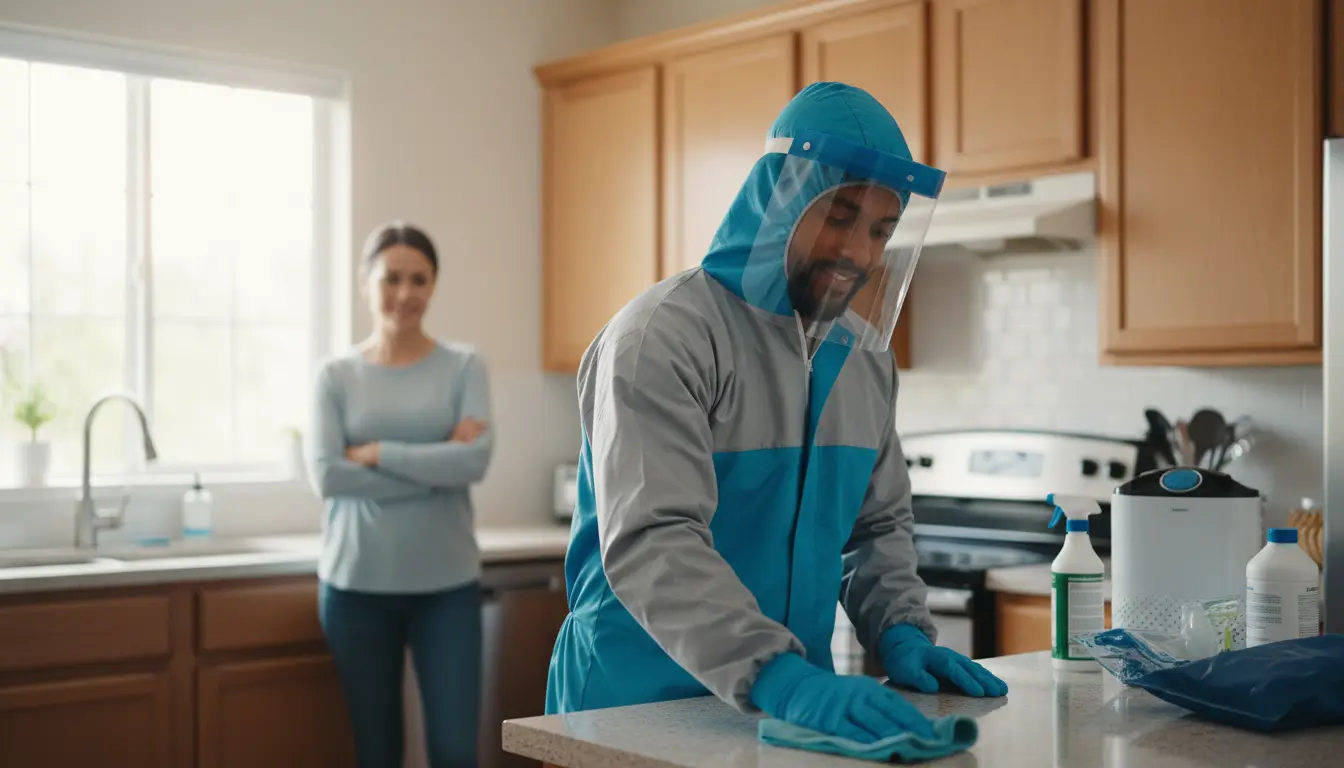
Next, we establish containment zones using heavy-duty poly sheeting and negative air machines. These industrial-grade units create negative pressure within the work area, preventing airborne particles from escaping into unaffected parts of the property. All personnel wear full personal protective equipment—Tyvek suits, N95 or P100 respirators, face shields, and puncture-resistant gloves—to eliminate exposure risk.
The physical removal of contaminated materials follows a strict hierarchy. Soft, porous items like carpets, upholstery, mattresses, and clothing are double-bagged in red biohazard waste bags and transported to licensed medical waste incinerators. Hard, non-porous surfaces are scrubbed with EPA-registered hospital-grade disinfectants that have proven efficacy against a broad spectrum of pathogens. For trauma scenes involving significant blood saturation, we often use specialized enzyme cleaners that break down organic matter at the molecular level, ensuring complete removal of protein residues.
After cleaning, we perform adenosine triphosphate (ATP) fluorescence testing to verify microbial elimination. ATP testing measures the presence of biological residue on surfaces; a reading below a specific threshold confirms the area is sanitized to healthcare standards. If readings are elevated, we re-clean and retest until the surface passes. Finally, we apply antimicrobial sealants to porous materials that cannot be replaced, such as brick walls common in St. Louis’s historic neighborhoods like Soulard or Benton Park, to lock in any remaining microscopic contaminants.
Professional Remediation vs. Standard Janitorial Cleaning
| Feature / Metric | Professional Biohazard Remediation | Standard Residential Cleaning |
|---|---|---|
| Regulatory Compliance | Full adherence to OSHA 29 CFR 1910.1030, EPA disposal regulations, and IICRC S540 | No regulatory oversight; general cleaning products used |
| Pathogen Elimination | EPA-registered hospital-grade disinfectants; ATP testing to confirm < 20 RLU | Household bleach or store-bought sprays; no verification |
| Structural Assessment | Inspections of subflooring, wall cavities, and HVAC for hidden contamination | Surface cleaning only; no structural evaluation |
| Waste Disposal | Licensed medical waste transport and incineration | Trash bags sent to municipal landfill (illegal for biohazards) |
| Cross-Contamination Prevention | Negative air pressure, HEPA filtration, and strict containment zones | No containment; contaminants can spread via mops and cloths |
Expert Insights from a Senior Remediation Specialist
After years of managing complex scenes across St. Louis and surrounding counties, I have developed diagnostic approaches that go beyond what standard protocols teach. Here are three advanced tips that every property owner should understand:
Detecting Hidden Biological Seepage
Blood and other fluids often seep through floorboards, under baseboards, and into subflooring, even when the surface appears intact. In older brick homes common in areas like The Hill or Lafayette Square, fluids can wick up through porous mortar and travel laterally between walls. We use moisture meters and thermal imaging cameras to locate hidden saturation zones that would otherwise go unnoticed.
Porous Materials Are Not Salvageable
Many homeowners believe that a thorough cleaning can save a mattress, a carpet, or even a section of drywall. In reality, porous materials act like sponges. Once biological contaminants penetrate their internal structure, complete removal of pathogens is virtually impossible. Professional standards mandate the removal and disposal of any porous item that has come into contact with blood or bodily fluids. Attempting to clean them only spreads the hazard and creates long-term health risks.
The Importance of Negative Pressure
Without negative air pressure, airborne particles from the contaminated zone can drift into clean areas of the home. This is especially dangerous in multi-unit buildings or when the HVAC system is still running. We always isolate the work area with plastic sheeting and use HEPA-filtered negative air machines to ensure that no microscopic hazards escape during the removal process.
Common Mistakes Property Owners Make
Even well-intentioned DIY efforts can lead to serious consequences. Here are the most frequent errors we encounter in St. Louis:
- Using household bleach on biological matter. Bleach loses efficacy in the presence of organic material and can cause protein fixation, actually making surfaces harder to disinfect. Professional remediators use specific enzyme-based or oxidative disinfectants that break down organic matter first.
- Waiting for odors to dissipate naturally. Odors from decomposition are caused by volatile organic compounds that can linger for months if not properly treated. By the time a smell is noticeable, contamination has already spread. Immediate professional intervention is crucial.
- Allowing untrained personnel into the site. Friends, family, or even general contractors lack the personal protective equipment and training to handle biohazards safely. Exposure to bloodborne pathogens can lead to lifelong infections. Only certified technicians should enter a contaminated area.
Pricing Considerations for Biohazard Remediation in St. Louis
Costs for professional biohazard cleanup vary widely based on the scope of the job. While we do not provide fixed pricing without an on-site assessment, here are typical factors that influence the final quote:
- Site mobilization fees cover the transport of specialized equipment, such as negative air machines, HEPA vacuums, and industrial dehumidifiers, to your location. In the St. Louis metro area, these fees generally range from $250 to $500 depending on distance.
- Hourly remediation rates for certified technicians typically fall between $150 and $350 per hour. Most trauma scenes require between four and twenty hours of labor, depending on the size and severity of contamination.
- Itemized disposal costs for biohazardous waste include double-bagging, labeling, transport, and incineration at a licensed medical waste facility. Disposal fees can add $500 to $2,000 or more, especially if large quantities of porous materials must be removed.
- Structural material replacement—such as cutting out contaminated drywall, replacing subflooring, or removing carpet—adds to the total. In historic brick homes, specialized masonry work may be required to seal affected surfaces.
- HVAC decontamination is necessary if the system was running during the incident. Cleaning ductwork and replacing filters can cost $300 to $1,000.
For a detailed breakdown of what St. Louis residents typically pay, see our page on biohazard cleanup costs.
Safety & Standards: Certifications That Matter
Every remediation technician at St. Louis Biohazard Cleanup holds certifications that go beyond basic training. We follow the OSHA Bloodborne Pathogens Standard (29 CFR 1910.1030), which mandates specific protocols for handling, decontaminating, and disposing of materials that may contain infectious agents. Our team is also IICRC-certified in trauma and crime scene cleanup (S540), ensuring we use the latest industry-approved methods for structural restoration.
We partner exclusively with authorized medical waste transport and disposal companies that hold EPA and Missouri Department of Natural Resources permits. This ensures that all biohazardous waste is destroyed in licensed incinerators, not dumped in landfills where it could pose a public health risk. For property owners, this means complete legal compliance and peace of mind that no liability remains after we leave.
Frequently Asked Questions About Biohazard Remediation
What exactly qualifies as a biohazard that requires professional removal?
Biohazards include blood, bodily fluids, human or animal tissue, sharps (needles), mold from sewage backups, and any materials contaminated by these substances. Crime scenes, unattended deaths, hoarding environments, and industrial accidents are common scenarios. Even small spills of blood from a minor injury can become biohazards if they occur in a healthcare setting or involve known infectious disease. Professional removal is required whenever the volume exceeds what standard first aid can handle, or when the material has soaked into porous surfaces.
Can I simply use bleach to clean up blood at home?
No. The Centers for Disease Control and Prevention (CDC) and OSHA recommend a 1:10 dilution of bleach for disinfection, but this mixture is only effective on non-porous, pre-cleaned surfaces. In practice, household bleach loses potency rapidly in the presence of organic matter and can actually fix proteins to surfaces, making future disinfection harder. For trauma scenes, professional-grade disinfectants with verified kill claims against hepatitis B, hepatitis C, and HIV are essential. ATP testing confirms that these pathogens have been eliminated.
How long does the remediation process take?
Timeline depends on the extent of contamination. A small, contained spill might take two to three hours, while a full-scale trauma scene involving multiple rooms and structural penetration can require two to three days. Our team works efficiently while maintaining strict safety protocols. In St. Louis, we offer 24/7 biohazard response to begin the process as soon as possible, minimizing health risks and structural damage.
Is it safe to stay in my home during the cleanup?
In most cases, we recommend that occupants vacate the affected area until remediation is complete. If the contamination is confined to a single room and proper containment is established, the rest of the home may be habitable. However, for safety reasons, we advise that children, pregnant women, elderly individuals, and anyone with a compromised immune system remain off-site until final ATP testing confirms the environment is safe.
What happens to the waste after it is removed?
All biohazardous waste is placed in red, labeled biohazard bags, sealed, and transported in accordance with federal and state regulations. It is then incinerated at a licensed medical waste facility. Non-contaminated debris, such as removed drywall or flooring that was not directly soiled, is disposed of according to local landfill guidelines. We provide documentation of proper disposal for your records and insurance purposes.
Professional Biohazard Remediation in St. Louis
Safe removal and disposal of contaminated materials is not a task for general cleaning services or well-meaning volunteers. It demands specialized training, certified equipment, and strict adherence to health and environmental regulations. In St. Louis, where historic architecture and climate conditions add layers of complexity, relying on professionals who understand local variables is essential.
St. Louis Biohazard Cleanup combines technical rigor with genuine compassion. We treat every property as if it were our own, ensuring that no trace of biological hazard remains and that the space can be safely occupied again. From initial assessment to final clearance testing, we manage the entire process discreetly and efficiently. Whether you are dealing with a trauma scene, hoarding situation, or flood-related contamination, our team is ready to help 24 hours a day, seven days a week.
For more information or to schedule an immediate response, visit our contact page or call us directly. Protect your property and your loved ones with the highest standard of professional biohazard remediation in St. Louis.