In the heart of Missouri, St. Louis faces unique challenges with biohazard incidents that demand immediate attention. From urban accidents to unfortunate events in residential neighborhoods, the statistics paint a grim picture of potential health hazards lurking in our communities. At St. Louis Biohazard Cleanup, we understand the urgency—delaying cleanup can turn a manageable situation into a public health crisis. This blog dives into the eye-opening biohazard stats specific to St. Louis and explains why swift action is non-negotiable for safety and peace of mind.
Whether you’re dealing with a sewage backup in Soulard or a more serious incident in Kirkwood, knowing the facts empowers you to act fast. Let’s explore the data, risks, and solutions that highlight the critical role of professional 24-Hour Biohazard Services in our city.
Understanding Biohazard Incidents in St. Louis
St. Louis, with its vibrant mix of historic districts and bustling suburbs, sees a variety of biohazard scenarios annually. According to local health reports from the St. Louis County Department of Public Health, biohazard-related calls have risen by 15% over the past five years, driven by factors like aging infrastructure and population density.
Key Statistics on Local Biohazards
-
Homicide and Trauma Scenes: The St. Louis Metropolitan Police Department reported over 200 homicides in 2023 alone, each potentially leaving behind biohazardous materials like blood and bodily fluids. In areas like Ballwin, where residential safety is paramount, these incidents underscore the need for specialized homicide site remediation.
-
Sewage and Water Damage: Flooding from the Mississippi River and frequent heavy rains contribute to sewage backups. The city’s wastewater system handles millions of gallons daily, but overflows affect neighborhoods such as Brentwood, leading to bacterial contamination risks.
-
Hoarding Situations: Mental health challenges in St. Louis result in hoarding cases that escalate into biohazards. Local shelters and social services note a 20% increase in such reports, often requiring hoarding biohazard removal to prevent mold and pest infestations.
These stats aren’t just numbers—they represent real threats to families, first responders, and property values in our community.
The Health Risks of Delayed Biohazard Cleanup
Biohazards aren’t visible dangers; they multiply silently if not addressed promptly. Pathogens like hepatitis, HIV, and bacteria such as E. coli thrive in untreated environments, posing severe risks.
Immediate Dangers to Health and Safety
Exposure to biohazardous waste can lead to acute illnesses. In St. Louis, where summers bring high humidity, decomposition accelerates, releasing airborne toxins. A study by the CDC highlights that improper handling of trauma scenes increases infection rates by up to 30% in affected households.
For instance, in Oakville’s suburban homes, a simple unattended spill can contaminate HVAC systems, spreading contaminants throughout the property. This is why property restoration services are essential post-cleanup to ensure long-term habitability.
Long-Term Consequences for St. Louis Residents
Chronic exposure links to respiratory issues and weakened immune systems. Local hospitals like Barnes-Jewish report spikes in ER visits related to biohazard exposure during peak incident seasons. Economically, delayed cleanup can cost homeowners thousands in repairs and medical bills—far more than proactive intervention.
Why Quick Cleanup is Crucial: The Science Behind It
Time is the enemy in biohazard management. The first 24-48 hours are critical; after that, contaminants become harder to eradicate and more likely to spread.
The Role of Rapid Response in Containment
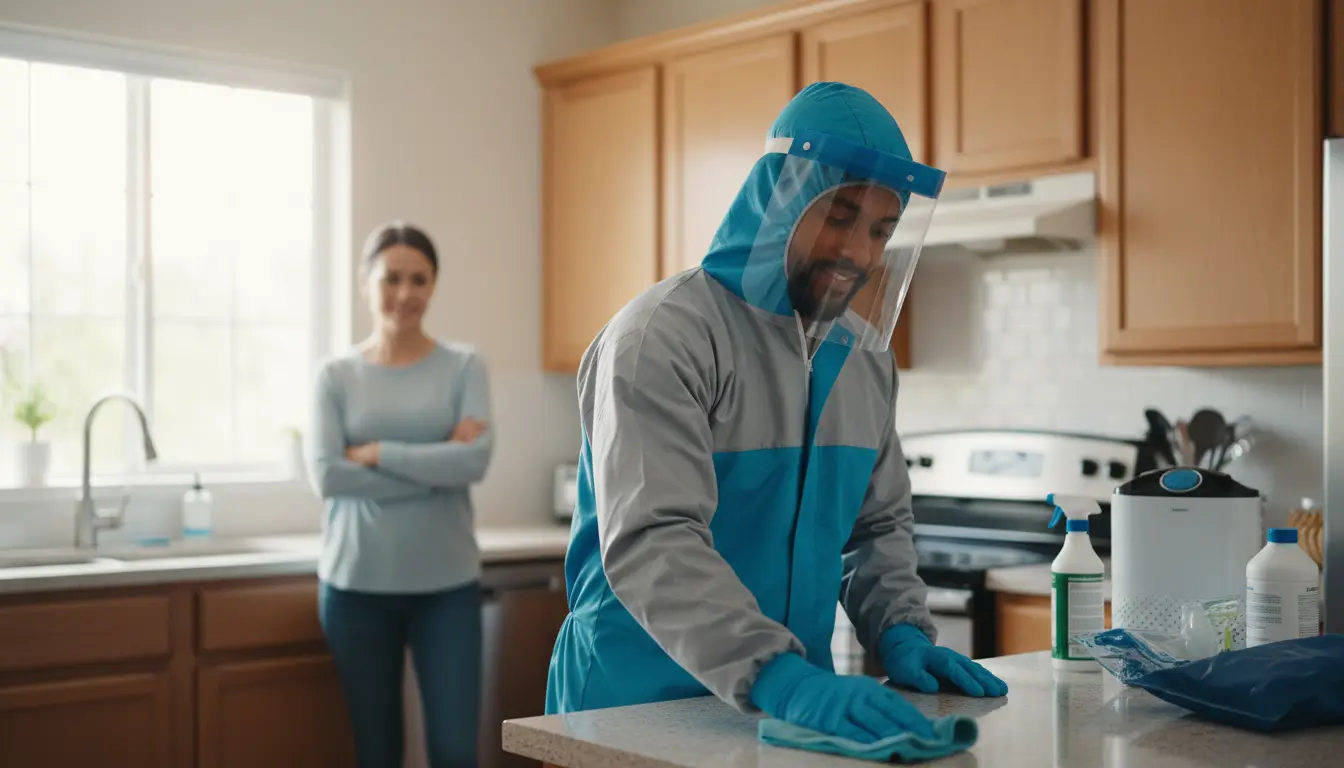
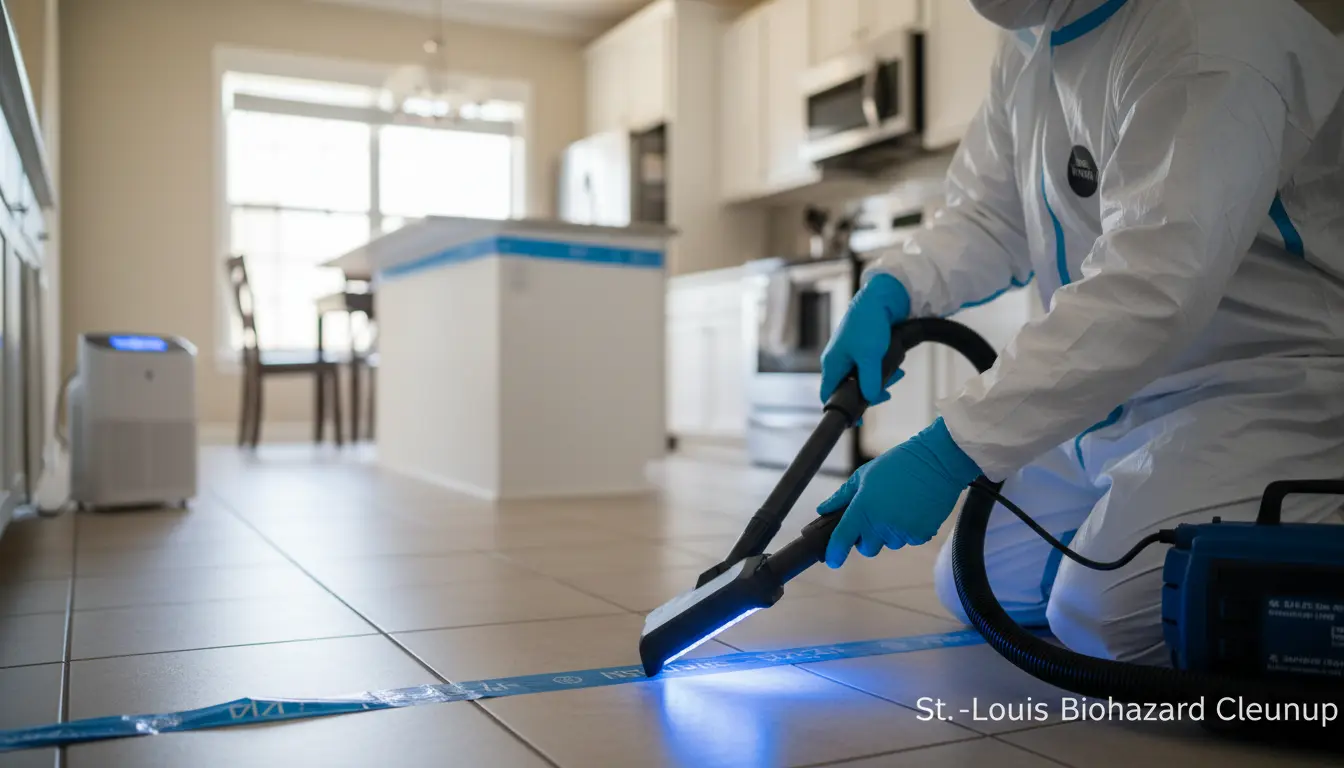
Professional teams use EPA-approved disinfectants and containment protocols to neutralize threats swiftly. In St. Louis, where traffic and weather can delay response, services like ours ensure arrival within hours, preventing cross-contamination.
For sewage incidents in flood-prone Soulard, quick action stops mold growth, which can begin in as little as 24 hours. Linking to our sewage backup cleanup expertise, we employ industrial-grade equipment to restore safety efficiently.
Environmental Impact on the Gateway City
St. Louis’s ecosystem, from the Gateway Arch parks to the Missouri River, suffers when biohazards leach into soil and water. Delayed cleanup exacerbates pollution, affecting wildlife and downstream communities. Swift remediation protects not just your property but the city’s environmental health.
Practical Tips for Handling Biohazard Situations in St. Louis
While professionals should handle cleanup, knowing initial steps can mitigate damage. Here’s actionable advice tailored to our local context:
Step-by-Step Initial Response Guide
-
Secure the Area: Evacuate and cordon off the site immediately. In dense areas like Kirkwood, notify neighbors to avoid accidental exposure.
-
Avoid Contact: Do not touch or clean biohazards yourself—use gloves if necessary, but call experts right away.
-
Document for Insurance: Take photos from a safe distance. St. Louis insurers often cover professional cleanup; reference local codes from the city’s building department.
-
Contact Professionals: Dial (314) 380-0207 for St. Louis Biohazard Cleanup. Our team serves all areas, including Brentwood and Ballwin, with certified technicians.
Preventive Measures for St. Louis Homes and Businesses
-
Install sump pumps in basements to combat flooding in river-adjacent neighborhoods like Oakville.
-
Schedule regular maintenance for older plumbing in historic districts such as Soulard.
-
Educate on hoarding awareness through community programs offered by St. Louis mental health services.
By integrating these tips, you reduce risks and prepare for the unexpected.
FAQ: Common Questions About Biohazard Cleanup in St. Louis
What Counts as a Biohazard in St. Louis?
Biohazards include blood, bodily fluids, sewage, and medical waste. Local regulations under Missouri’s Department of Health classify these as requiring professional handling to prevent disease spread.
How Long Does Cleanup Take?
Most jobs complete in 1-3 days, depending on severity. Our 24-Hour Biohazard Services ensure we start immediately, minimizing disruption.
Is Biohazard Cleanup Covered by Insurance?
Yes, many St. Louis policies cover it under property damage or rider clauses. We assist with claims to make the process seamless.
Can I Clean a Small Biohazard Myself?
No—DIY attempts risk health and legal issues. Always hire certified pros like St. Louis Biohazard Cleanup for compliance with OSHA standards.
What Areas Do You Serve in St. Louis?
We cover the metro area, including Oakville, Kirkwood, Ballwin, Brentwood, and Soulard, providing rapid response everywhere.
Conclusion: Act Now for a Safer St. Louis
The biohazard statistics in St. Louis are a wake-up call—quick cleanup isn’t optional; it’s vital for health, safety, and recovery. From the stats on rising incidents to the proven benefits of rapid response, one thing is clear: professional intervention makes all the difference.
Don’t let delays compound the tragedy. Contact St. Louis Biohazard Cleanup today at (314) 380-0207 for compassionate, efficient services tailored to your needs. Whether in the heart of the city or its outskirts, we’re here to restore your space and peace of mind. Take the first step toward safety—reach out now.