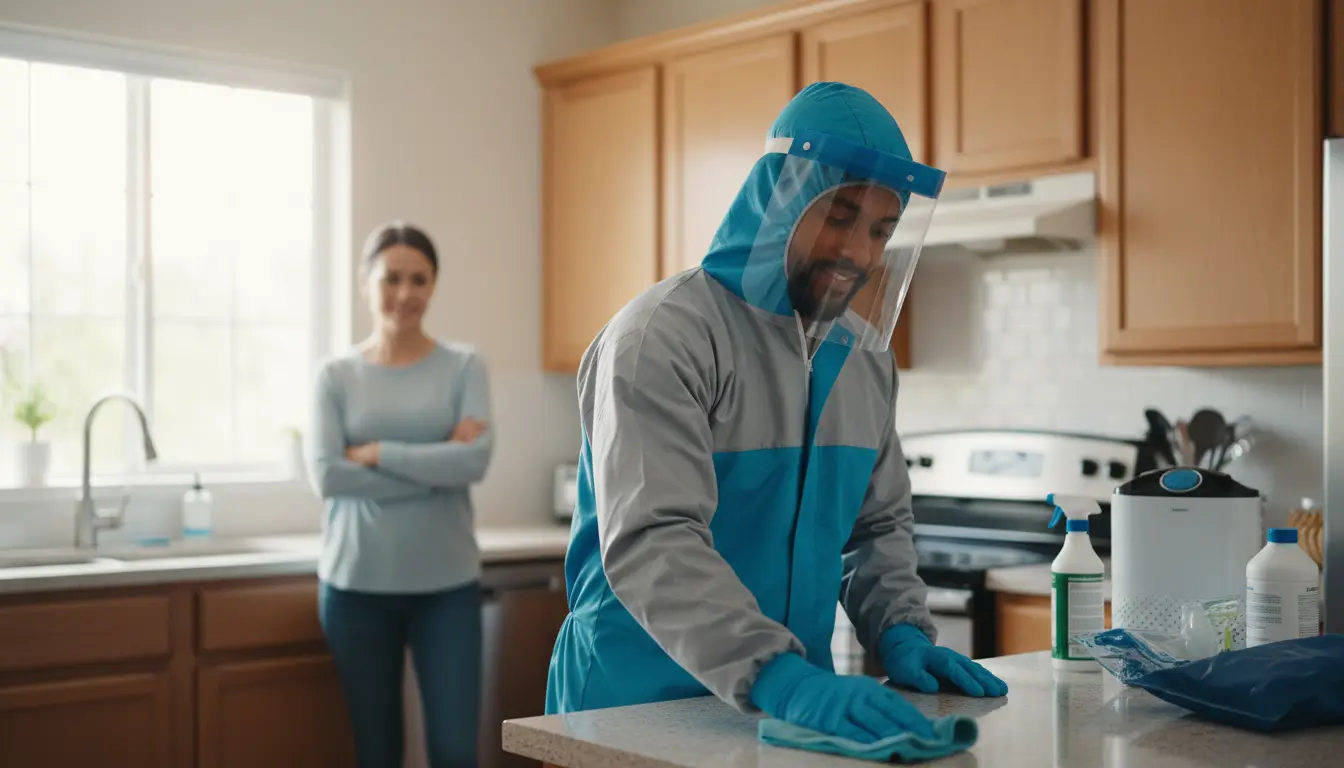
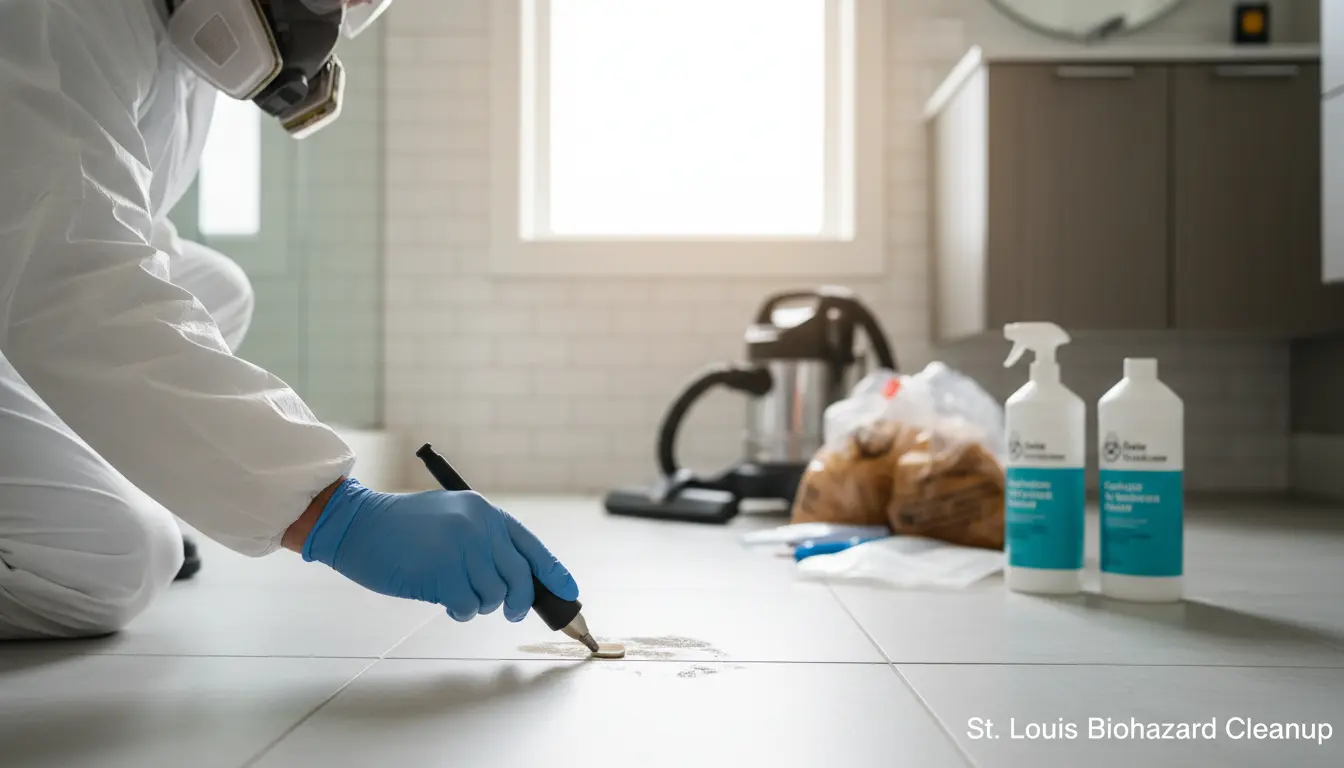
Imagine coming home after a long day in the bustling streets of St. Louis, only to unknowingly step into a silent threat lurking in your own living space. Unattended biohazards—biological substances that pose serious risks to health and safety—can turn your sanctuary into a danger zone. From unnoticed spills to aftermaths of unfortunate incidents, these hazards are more common than you might think, especially in urban areas like ours. In this post, we’ll explore the insidious risks they present, why prompt action is crucial, and how professional intervention from St. Louis Biohazard Cleanup can restore safety to your home.
Whether you’re in the historic neighborhoods of Soulard or the suburban comfort of Affton, understanding these dangers is the first step toward protection. Let’s dive in.
Understanding Biohazards: What Lurks in Your Home?
Biohazards aren’t just a term from medical dramas; they’re real contaminants that can infiltrate everyday living spaces. Defined as any biological material that carries a significant risk of infection, injury, or allergic reactions, biohazards include bacteria, viruses, fungi, and bodily fluids.
Common Types of Biohazards in Residential Settings
In homes across St. Louis, biohazards often stem from accidents, illnesses, or neglect. Blood from a minor injury might seem harmless at first, but if left uncleaned, it can harbor pathogens like hepatitis or HIV. Sewage backups, common during heavy Midwest rains, introduce fecal matter loaded with E. coli and other harmful microbes. Even mold growth from a leaky pipe in your Webster Groves basement qualifies as a biohazard when it releases spores that irritate lungs and exacerbate allergies.
Rodent droppings, prevalent in older St. Louis properties, carry hantavirus, while unattended pet waste can lead to parasitic infections. These aren’t visible threats like a broken window; they’re microscopic invaders that multiply unchecked.
The Health Risks: Why Ignoring Biohazards is a Gamble
The most alarming aspect of unattended biohazards is their impact on human health. Exposure can range from mild discomfort to life-threatening conditions, affecting residents of all ages, especially vulnerable children and the elderly in our community.
Immediate Health Dangers
Direct contact or inhalation can cause acute reactions. For instance, touching contaminated surfaces without protection might lead to skin infections or gastrointestinal issues from ingesting pathogens. In St. Louis’s humid climate, airborne spores from mold or bacteria can trigger respiratory distress within hours. Emergency situations, like those following a traumatic event, demand swift response to prevent cross-contamination— that’s where our emergency response cleanup services shine, ensuring your home in areas like O’Fallon is secured quickly.
Long-Term Health Effects
Prolonged exposure is even more insidious. Chronic issues include weakened immune systems, neurological damage from toxins like those in sewage, or increased cancer risks from certain carcinogens in bio-waste. Families in densely populated spots like St. Charles may unknowingly expose multiple generations if hazards persist. Studies from the CDC highlight how unattended biohazards contribute to community health outbreaks, underscoring the need for professional remediation to eliminate residues completely.
Structural and Property Damage: Beyond the Visible
Biohazards don’t just harm people; they wreak havoc on your property, leading to costly repairs that insurance might not fully cover without proper documentation.
Corrosion and Degradation
Acidic components in bodily fluids or sewage can corrode flooring, walls, and fixtures over time. In a typical St. Louis home with hardwood floors, bloodstains might etch into the wood, while moisture from bio-waste fosters rot in subfloors. Mold, thriving in damp environments post-flood, can compromise drywall integrity, leading to structural weaknesses that endanger safety.
Odor and Aesthetic Issues
Persistent foul odors from decomposing matter not only make your home unlivable but also lower property value. In neighborhoods like Soulard, where historic charm is key, such issues can deter buyers or complicate rentals. Our property restoration services help reverse this damage, bringing back the pristine condition of your space.
Common Sources of Biohazards in St. Louis Homes
St. Louis’s unique environment— from the Mississippi River’s flood risks to urban wildlife—amplifies biohazard occurrences. Hoarding situations in Affton residences can lead to accumulated waste, while unattended deaths, sadly common in aging populations, require specialized homicide site remediation even if not criminal.
Sewage issues peak during spring thaws, affecting basements in Webster Groves. Animal infestations are rife in O’Fallon outskirts, where rodents seek shelter. Recognizing these local patterns is vital; for instance, if you’re in St. Charles dealing with a potential hazard, knowing we serve your area ensures rapid help.
Practical Tips for Prevention and Safe Handling
Prevention is your best defense, but if a biohazard occurs, knowing what to do—or rather, what not to do—can save lives.
Preventive Measures for St. Louis Homeowners
- Regular Maintenance: Inspect plumbing and roofs annually, especially before rainy seasons. In flood-prone Soulard, elevate valuables and install sump pumps.
- Pest Control: Schedule professional rodent checks in fall; seal entry points in garages and attics.
- Hygiene Protocols: Teach family members to clean minor spills immediately with disinfectants, but avoid DIY for serious incidents.
For areas like Affton, where older homes prevail, consider moisture meters to detect early mold growth.
Actionable Advice for Incident Response
If you suspect a biohazard:
- Evacuate the area immediately to avoid exposure.
- Do not touch or clean it yourself—risks improper handling spreading contaminants.
- Contact experts like St. Louis Biohazard Cleanup at (314) 380-0207 for 24-hour biohazard services, available 24/7 across St. Louis.
- Document the scene for insurance, but let pros handle remediation.
- After cleanup, monitor for odors or health symptoms and follow up with our biohazard waste transport to ensure safe disposal.
These steps minimize risks and facilitate recovery, particularly in tight-knit communities like Webster Groves where word spreads fast.
FAQ: Addressing Common Concerns About Home Biohazards
What Should I Do If I Discover a Biohazard in My Home?
Stay calm, isolate the area, and call professionals immediately. Attempting DIY cleanup can worsen the situation and expose you to dangers.
How Long Can Biohazards Remain Dangerous?
Pathogens can survive from hours to years, depending on the type and environment. In St. Louis’s variable weather, moisture prolongs viability, making prompt removal essential.
Does Homeowners Insurance Cover Biohazard Cleanup?
Many policies do, especially for sudden events, but check your coverage. Our team at St. Louis Biohazard Cleanup works with insurers to streamline claims.
Are Biohazards Common in St. Louis Rentals?
Yes, particularly in older apartments in areas like O’Fallon. Landlords should prioritize emergency response cleanup to comply with health codes.
How Can I Prevent Biohazards from Pets?
Regular vet checkups, waste removal, and flea treatments help. For infestations, seek our services in St. Charles to avoid escalation.
Conclusion: Take Control of Your Home’s Safety Today
Unattended biohazards pose hidden threats that can disrupt lives and homes in St. Louis, from immediate health scares to lasting property woes. By staying vigilant, following preventive tips, and acting swiftly with experts, you safeguard your family’s well-being. Don’t let these dangers linger—reach out to St. Louis Biohazard Cleanup for reliable, compassionate service tailored to our local needs. Call (314) 380-0207 now for a consultation and peace of mind. Your safe home awaits.