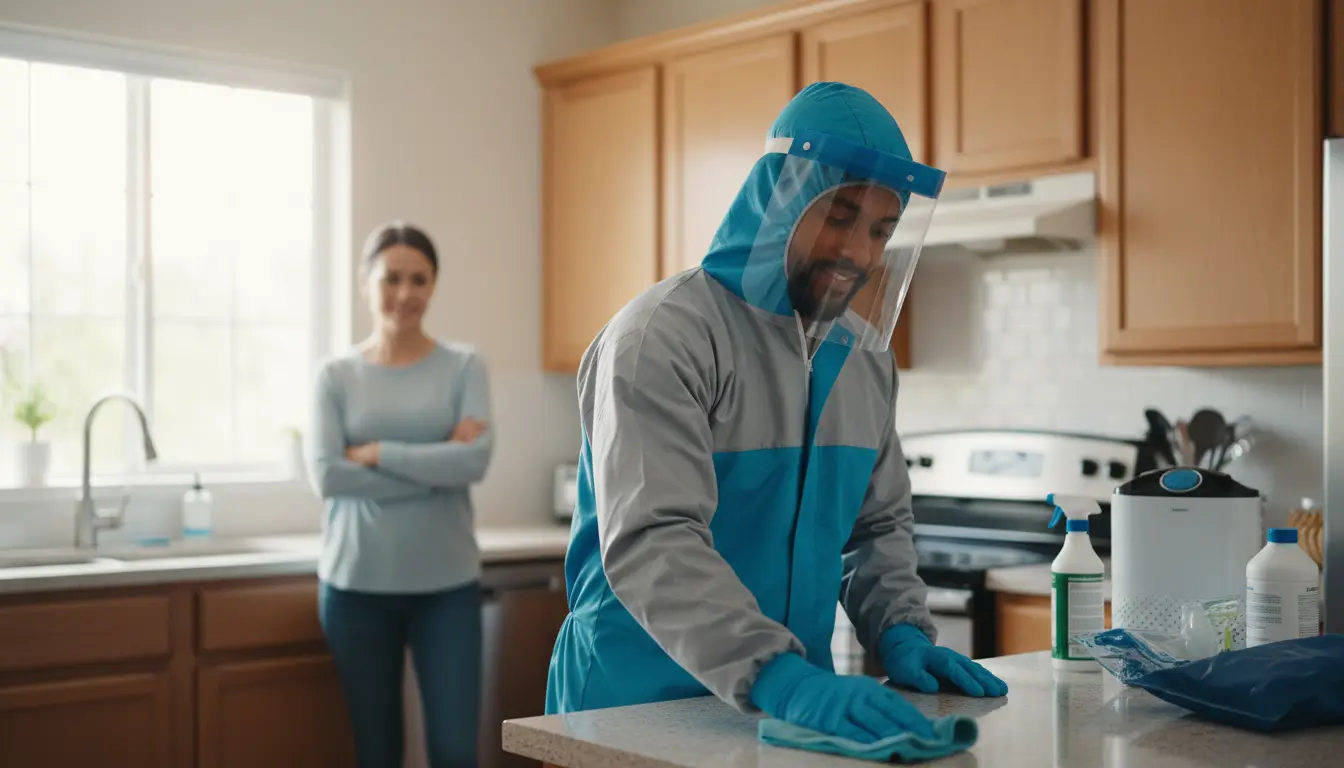
Hoarding can transform a home from a sanctuary into a hazardous maze, especially in the heart of St. Louis where tight-knit communities like those in Benton Park often face these challenges quietly. Imagine navigating piles of belongings that hide unseen dangers—mold, pests, and biohazards lurking beneath. At St. Louis Biohazard Cleanup, we’ve seen it all, from cluttered apartments in Tower Grove South to overwhelmed family homes in Ballwin. If you’re dealing with a hoarding situation, you’re not alone, and professional help is just a call away. In this guide, our St. Louis experts share practical advice to help you approach hoarding cleanup with compassion, safety, and efficiency.
Understanding Hoarding and Its Unique Challenges
Hoarding disorder affects thousands across the U.S., and St. Louis is no exception. According to local mental health resources, it’s often linked to emotional attachments or anxiety, making cleanup a sensitive process that requires empathy alongside expertise.
What Constitutes Hoarding Disorder?
Hoarding goes beyond mere clutter; it’s a persistent difficulty discarding possessions, regardless of their value, leading to unsafe living conditions. In St. Louis neighborhoods like Richmond Heights, where historic homes have limited space, this can escalate quickly. Signs include blocked pathways, overflowing rooms, and health risks from accumulated waste. Our team at St. Louis Biohazard Cleanup emphasizes starting with non-judgmental conversations to build trust before any physical intervention.
The Hidden Biohazards in Hoarding Environments
What many don’t realize is the biohazard potential in hoarding scenarios. Accumulated debris can foster bacteria, viruses, and even trauma scene decontamination if neglect leads to injuries. Rodent infestations are common in areas like Belleville, where moisture from the Mississippi River exacerbates mold growth. Professional assessment is crucial to identify risks like sharps, human waste, or chemical exposures that demand specialized handling.
Why Choose Professional Hoarding Cleanup Services in St. Louis
Attempting DIY hoarding cleanup can be overwhelming and dangerous, especially without proper protective gear or disposal knowledge. St. Louis Biohazard Cleanup brings certified expertise tailored to local regulations, ensuring compliance with Missouri’s environmental standards.
Compassionate Approach: Treating Individuals with Dignity
Our services prioritize the person’s well-being. We collaborate with local therapists and social services in St. Louis to provide holistic support. For instance, in Benton Park’s vibrant community, we’ve helped families reclaim spaces while connecting them to resources for ongoing mental health care.
Expertise in Biohazard Remediation
Hoarding cleanups often overlap with suicide cleanup services or other biohazards due to isolation risks. Our IICRC-certified technicians use EPA-approved disinfectants and HEPA vacuums to eliminate contaminants, restoring homes to safe, livable conditions.
Step-by-Step Advice for Effective Hoarding Cleanup
Tackling a hoarding situation requires a structured plan. Here’s actionable guidance from our St. Louis experts to guide you through the process.
Step 1: Preparation and Safety First
Before touching anything, secure the area. Wear PPE like gloves, masks, and coveralls to protect against airborne pathogens. In humid St. Louis summers, ventilation is key—open windows and use fans to reduce mold spores. If you’re in Tower Grove South, consider local humidity levels that can worsen air quality during cleanup.
Assess the scope: Categorize items into keep, donate, recycle, and discard. Involve a trusted advisor or professional early to avoid burnout. For severe cases with potential meth lab decontamination risks from stored chemicals, call experts immediately.
Step 2: Sorting and Organized Removal
Start small—tackle one room or section at a time to prevent overwhelm. Use the "four-box method": label boxes for keep, donate, trash, and undecided. In St. Louis, partner with local charities like those in Ballwin for donations to keep the process meaningful.
Remove perishables first to curb pests. Bag waste securely and schedule bulk pickups through the city’s waste management services. Our team recommends documenting the process for insurance or therapeutic purposes, especially in historic districts like Richmond Heights where structural integrity might be affected.
Step 3: Deep Cleaning and Disinfection
Once clutter is cleared, focus on sanitation. Scrub surfaces with biohazard-grade cleaners, paying attention to HVAC systems that can harbor contaminants. For accident scene decontamination elements like blood or fluids, use hospital-grade disinfectants.
In Belleville’s suburban settings, where homes often have basements prone to flooding, check for water damage that could introduce sewage hazards. Ozone treatments or UV lights can further purify the air, ensuring long-term safety.
Step 4: Prevention and Maintenance Strategies
Cleanup is just the beginning. Implement organizational systems like shelving or labeled bins to maintain progress. Encourage therapy to address root causes—local St. Louis support groups can be invaluable.
Regular decluttering routines, such as monthly reviews, help sustain a tidy space. For families in areas like Benton Park, community programs offer workshops on minimalism and mental health.
Local Insights: Hoarding Challenges in St. Louis Neighborhoods
St. Louis’s diverse landscapes influence hoarding dynamics. In urban spots like Tower Grove South, space constraints amplify issues, while rural edges near Belleville see larger accumulations in garages or sheds. Our services cover all these areas, adapting to local climates—think winter salt residue mixing with debris for corrosive hazards.
We’ve assisted in homicide site remediation cases tied to hoarding isolation, highlighting the need for prompt, professional intervention across the metro region.
FAQ: Common Questions About Hoarding Cleanup in St. Louis
1. How long does a hoarding cleanup typically take?
It varies by severity, but small projects might wrap in a day, while extensive ones in St. Louis homes can span weeks. Our team provides timelines upfront after an initial assessment.
2. Is hoarding cleanup covered by insurance?
Often yes, under biohazard or property damage clauses. Contact your provider and St. Louis Biohazard Cleanup for guidance—we handle claims seamlessly.
3. Do you offer discreet services for privacy?
Absolutely. We understand the sensitivity and use unmarked vehicles, especially in close-knit communities like Ballwin.
4. What if biohazards like mold or pests are involved?
We specialize in integrated remediation, including trauma scene decontamination protocols to address all risks comprehensively.
5. How can I help a loved one with hoarding?
Approach with empathy, suggest professional counseling, and involve services like ours for the physical cleanup. Local St. Louis resources, such as the Metro Health Department, offer additional support.
Conclusion: Reclaim Your Space with St. Louis Biohazard Cleanup
Hoarding cleanup is a journey toward renewal, and with the right advice and support, it’s achievable. At St. Louis Biohazard Cleanup, we’re committed to compassionate, thorough services that restore safety and peace to your home, whether in the bustling streets of Benton Park or the quiet suburbs of Belleville. Don’t let hoarding overwhelm you—reach out today for a free consultation. Call us at (314) 380-0207 and take the first step toward a cleaner, healthier living space.