In the bustling city of St. Louis, where historic neighborhoods like The Hill meet modern suburbs such as Creve Coeur, families face unique challenges in maintaining a safe living environment. Biohazards—whether from mold growth in damp basements, accidental spills, or unfortunate incidents—can pose serious health risks if not addressed promptly. As a leading provider of biohazard cleanup services in St. Louis, we’ve seen firsthand how proactive prevention can make all the difference. This guide from St. Louis Biohazard Cleanup offers practical, actionable tips to protect your family from these invisible threats. By understanding and implementing these strategies, you can create a healthier home and peace of mind.
Understanding Biohazards: What You Need to Know
Biohazards are biological substances that threaten human health, including bacteria, viruses, fungi, and bodily fluids. In St. Louis, where humid summers and occasional flooding exacerbate issues like mold infestation, recognizing these dangers is the first step toward prevention.
Common Biohazards in St. Louis Homes
From the Gateway Arch’s shadow to quiet streets in Ladue, local homes often deal with mold due to the region’s moisture levels. Other risks include bloodborne pathogens from accidents or even animal waste in backyards. According to health experts, exposure can lead to respiratory issues, infections, or long-term illnesses. Early detection through regular inspections can prevent escalation—consider scheduling a professional assessment if you notice unusual odors or discoloration.
For specialized handling of mold-related biohazards, explore our mold infestation remediation services designed for St. Louis residents.
Essential Prevention Tips for Your Home
Preventing biohazards starts with everyday habits. Here are actionable steps to fortify your living space against potential threats.
Maintain Cleanliness and Hygiene
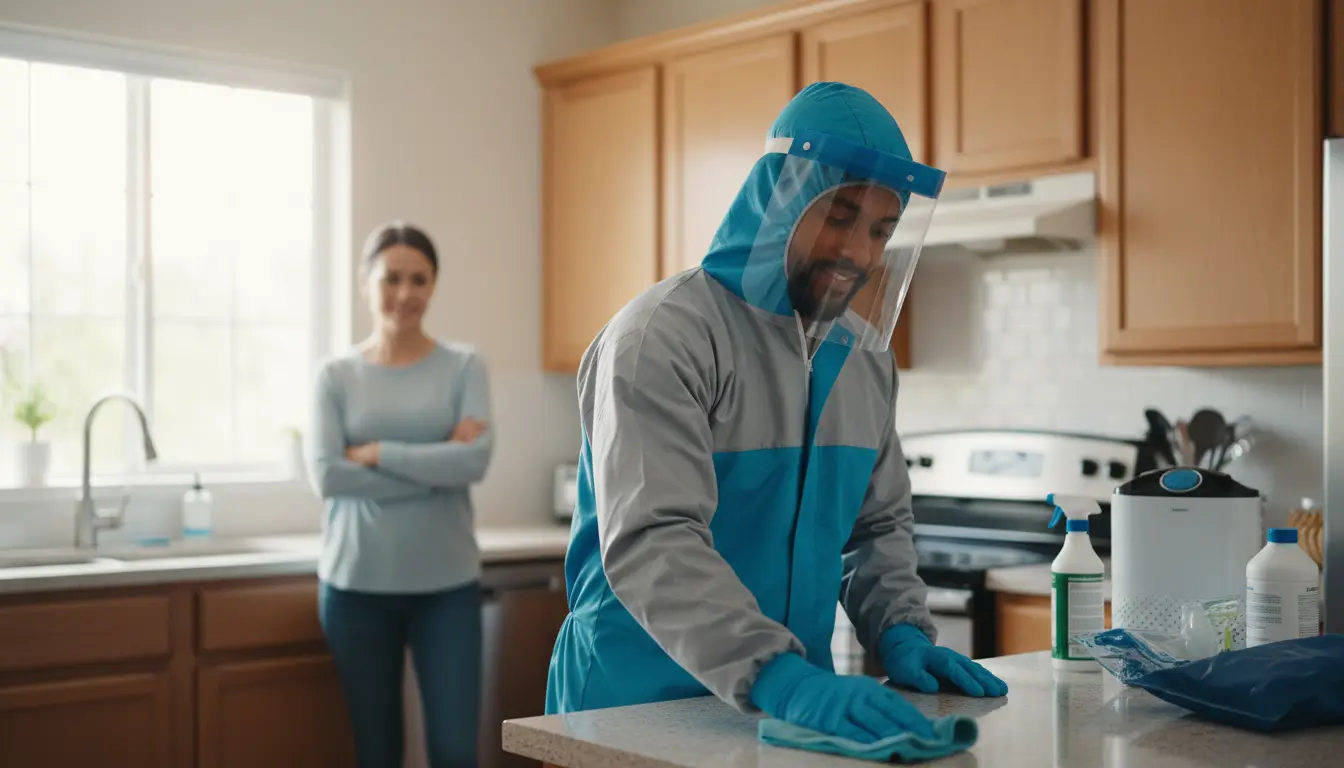
Regular cleaning is your best defense. Wipe down surfaces with EPA-approved disinfectants, especially in high-traffic areas like kitchens and bathrooms. In St. Louis’s variable climate, pay extra attention to areas prone to moisture buildup, such as basements in Ballwin homes. Use dehumidifiers to keep humidity below 50%—this simple step can deter mold growth significantly.
Encourage handwashing with soap for at least 20 seconds, particularly after handling raw meat or gardening in contaminated soil. For families with young children, establish routines to avoid cross-contamination.
Secure Proper Waste Disposal
Improper disposal of medical waste or organic materials can breed bacteria. Use sealed bins for trash and dispose of sharps (like needles) in puncture-proof containers. In urban areas like Webster Groves, where community events are common, be vigilant about post-gathering cleanups to prevent attracting pests that carry diseases.
If you’ve experienced an accident scene decontamination need, remember that professional protocols ensure safe removal.
Control Pests and Rodents
Rodents and insects can introduce biohazards through droppings and bites. Seal entry points around doors and windows, and store food in airtight containers. In St. Louis, where the Mississippi River influences pest patterns, annual professional pest control is advisable. Avoid DIY traps if they involve hazardous chemicals; opt for integrated pest management instead.
Biohazard Prevention in Outdoor and Community Spaces
Your safety extends beyond indoor walls. St. Louis’s parks and neighborhoods offer great amenities but also potential risks.
Safe Outdoor Activities
When picnicking in Forest Park or hiking in nearby trails, watch for animal feces or stagnant water that could harbor pathogens. Teach children to avoid touching unknown substances and to use insect repellent during mosquito season. In flood-prone areas like those near the Meramec River in Creve Coeur, avoid wading in post-rain puddles.
For community cleanups after incidents, rely on experts for 24-hour biohazard services to handle any contaminated sites swiftly.
Community Awareness in St. Louis Neighborhoods
Local events, from festivals in The Hill to school activities in Ladue, can inadvertently spread biohazards if not managed. Advocate for proper sanitation at gatherings and stay informed through St. Louis County health alerts. Joining neighborhood watches can help monitor and report potential hazards early.
If a serious incident occurs, such as a homicide site remediation in your area, professional intervention is crucial to restore safety.
Emergency Preparedness for Biohazard Incidents
Even with prevention, emergencies happen. Being prepared minimizes risks.
Create a Family Emergency Plan
Develop a plan that includes evacuation routes and a biohazard kit with gloves, masks, and disinfectants. In St. Louis, where severe weather can lead to power outages and spoiled food risks, store perishables properly and know your local emergency contacts.
Practice drills quarterly to ensure everyone knows what to do in case of a spill or exposure.
When to Call Professionals
DIY cleanup is not always safe, especially for blood or chemical exposures. Signs like persistent odors or visible contamination warrant immediate professional help. St. Louis Biohazard Cleanup offers rapid response across areas like Ballwin and Webster Groves, using OSHA-compliant methods to eliminate threats thoroughly.
FAQ: Common Questions About Biohazard Prevention
What are the signs of a biohazard in my home?
Look for musty smells, discolored walls, unexplained illnesses, or visible mold. In humid St. Louis, these often signal moisture-related issues.
How can I prevent mold in my St. Louis basement?
Improve ventilation, fix leaks promptly, and use dehumidifiers. For advanced cases, professional mold infestation remediation is essential.
Is professional cleanup necessary after an accident?
Yes, to avoid health risks from pathogens. Our accident scene decontamination team ensures complete safety.
What should I do if I suspect a biohazard in a public space?
Report it to local authorities and avoid the area. For private properties in neighborhoods like The Hill, contact us for discreet handling.
How quickly should I respond to a potential biohazard?
Immediately—delays can worsen contamination. Our 24-hour biohazard services are available around the clock for St. Louis residents.
Conclusion: Take Action to Protect Your Family Today
Protecting your family from biohazards in St. Louis doesn’t have to be overwhelming. By incorporating these essential tips—from maintaining hygiene to preparing for emergencies—you can significantly reduce risks in your home and community. Remember, prevention is key, but when incidents occur, you don’t have to face them alone.
At St. Louis Biohazard Cleanup, we’re committed to serving neighborhoods like Creve Coeur, Ladue, and beyond with expert, compassionate care. Whether it’s routine advice or urgent cleanup, we’re here to help. Contact us at (314) 380-0207 for a consultation and ensure your family’s safety starts now.