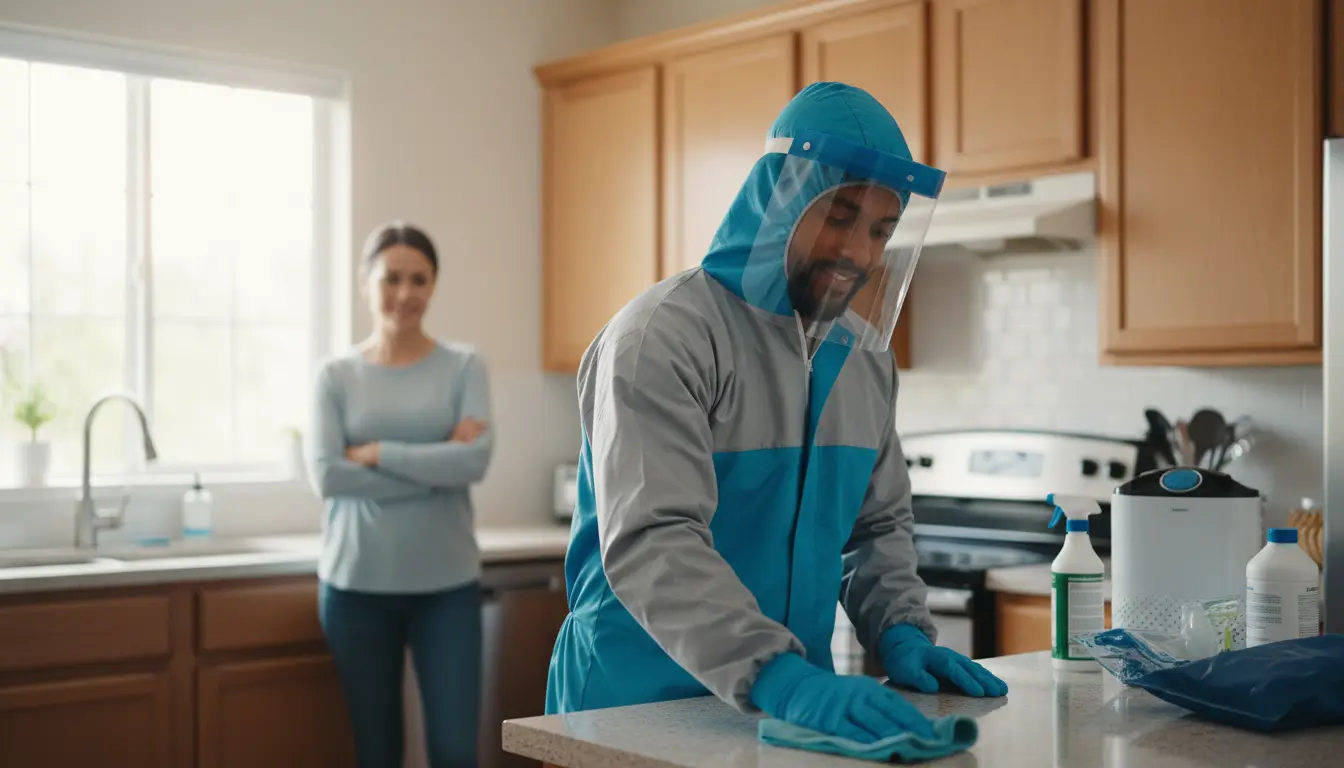
The technician paused at the threshold of a century-old brick home in St. Louis’s Tower Grove South neighborhood, the unmistakable odor of biological decomposition already seeping through the weatherstripping. Inside, a single unattended death had transformed a quiet residence into a scene requiring immediate containment and specialized remediation. This moment captures the reality that how cleanup specialists safely handle contaminated materials is not a matter of general housekeeping — it is a rigorously scientific, protocol-driven process that protects both the restoration team and the property’s future occupants.
For property owners, facility managers, and family members confronting a biohazard scene in St. Louis, the difference between a safe restoration and a long-term health liability lies entirely in the technical proficiency of the remediation team. From bloodborne pathogens to chemical residues, the contaminants present in these environments demand a level of expertise far beyond standard cleaning services. Understanding the professional methodology behind this work not only builds trust but also underscores why rapid, certified intervention is essential for safeguarding both human health and property value.
The Professional Remediation Workflow: A Step-by-Step Technical Process
Every biohazard remediation project in St. Louis follows a structured, multi-phase workflow that aligns with OSHA Bloodborne Pathogens Standard 29 CFR 1910.1030 and IICRC S540 guidelines. The process begins long before any physical cleaning takes place, starting with a comprehensive risk assessment of the site. Technicians evaluate the type and extent of contamination, identify structural vulnerabilities common in older brick homes found throughout neighborhoods like Lafayette Square and Soulard, and determine the appropriate level of personal protective equipment required.
Following the initial assessment, the team establishes containment zones using negative air pressure machines equipped with HEPA filtration. This critical step prevents airborne contaminants — including viral particles, fungal spores, and bacterial aerosols — from migrating to unaffected areas of the property. In St. Louis’s humid climate, where seasonal moisture can accelerate microbial growth, maintaining proper negative pressure is especially vital for preventing cross-contamination during the remediation process.
Physical Removal and Chemical Decontamination
Once containment is secured, technicians begin the physical removal of biohazardous materials. This includes biological matter, saturated porous materials such as drywall and carpeting, and any items that cannot be effectively decontaminated. All waste is double-bagged in specialized biohazard bags, labeled according to DOT regulations, and staged for transport to an authorized medical waste treatment facility.
After bulk removal, the site undergoes a meticulous chemical decontamination process using EPA-registered hospital-grade disinfectants with verified efficacy against bloodborne pathogens, including hepatitis B, hepatitis C, and HIV. Technicians apply these solutions using electrostatic sprayers or fogging equipment to ensure complete coverage of all surfaces, including hard-to-reach crevices and sub-floor areas common in older St. Louis residential structures. The contact time — the period the disinfectant must remain wet on a surface to achieve inactivation — is strictly monitored, typically ranging from five to ten minutes depending on the specific chemical formulation.
ATP Testing and Verification
Following disinfection, the team conducts adenosine triphosphate fluorescence testing to verify the effectiveness of the decontamination efforts. This scientific measurement detects residual organic material on surfaces, providing a quantitative benchmark for cleanliness. ATP readings below a specified threshold confirm that the site meets the industry standard for biological safety. This testing is not a courtesy; it is a non-negotiable verification step that distinguishes professional remediation from superficial cleaning.
Finally, the structure undergoes a thorough assessment to determine whether any porous materials — such as insulation, sub-flooring, or wallboard — require replacement rather than surface cleaning. In St. Louis’s older brick buildings, where moisture can wick through masonry and become trapped behind plaster walls, this structural evaluation is particularly important for preventing long-term odor migration and microbial regrowth.
Professional Remediation Versus Standard Cleaning: A Critical Comparison
Understanding the difference between professional biohazard remediation and standard residential cleaning is essential for property owners. The following table highlights the key distinctions across several critical metrics.
| Feature / Metric | Professional Biohazard Remediation | Standard Residential Cleaning |
|---|---|---|
| Regulatory Compliance | Full adherence to OSHA 29 CFR 1910.1030, EPA waste disposal regulations, and IICRC S540 standards | No regulatory framework for biohazard handling |
| Pathogen Elimination | Hospital-grade disinfectants with verified viral inactivation rates; ATP testing for verification | Household cleaners and bleach, which are ineffective against many bloodborne pathogens |
| Structural Assessment | Comprehensive evaluation of porous materials, sub-flooring, and HVAC systems for hidden contamination | Surface-level cleaning only; no structural integrity analysis |
| Waste Disposal | Transport and incineration at authorized medical waste treatment facilities with chain-of-custody documentation | Standard trash disposal, which is illegal for biohazardous material |
| Cross-Contamination Prevention | Negative air pressure containment, HEPA filtration, and strict PPE protocols | No containment measures; high risk of spreading contaminants |
| Insurance Documentation | Detailed reports, photographs, and ATP test results for insurance claims | No documentation provided |
Source: IICRC S540 Trauma and Crime Scene Cleanup Standard
Expert Insights: Advanced Diagnostic Tips for Property Owners
Experienced remediation specialists develop the ability to detect contamination that is not immediately visible to the untrained eye. One of the most common indicators of hidden biological seepage is a persistent, sweetish odor that intensifies in warm weather or after rainfall. This odor often signals that decomposition fluids have penetrated porous sub-flooring or migrated through gaps in mortar joints, a scenario frequently encountered in older brick structures throughout St. Louis’s historic districts.
Another critical diagnostic principle is that porous materials such as drywall, carpet padding, and unsealed wood flooring cannot be fully decontaminated after exposure to biological fluids. The microscopic structure of these materials allows pathogens to embed below the surface, where chemical disinfectants cannot reach. Replacement is the only reliable solution. Property owners who attempt to save money by cleaning these materials invariably face recurring odor issues, microbial growth, and potential health liabilities down the line.
Common Mistakes Property Owners Make
One of the most frequent errors is attempting to clean a biohazard scene with household bleach. While bleach is a common disinfectant, it is ineffective against many bloodborne pathogens, including hepatitis B, which can survive on surfaces for weeks at room temperature. Furthermore, bleach can damage porous materials and create toxic fumes when mixed with other cleaning agents, creating an additional hazard for untrained individuals.
Another costly mistake is waiting for a biohazard odor to dissipate naturally. In St. Louis’s humid climate, particularly during the summer months when temperatures regularly exceed 90 degrees Fahrenheit, decomposition accelerates rapidly. Odors that are ignored for even a few days can become deeply embedded in structural materials, significantly increasing the complexity and cost of remediation. The hidden dangers of unattended biohazards in your home include not only health risks but also the potential for permanent structural damage.
Allowing untrained personnel — including well-meaning family members or general contractors — into a contaminated site is another serious mistake. These individuals lack the proper PPE, training, and knowledge of containment protocols, putting themselves at risk of exposure to bloodborne pathogens and other hazardous materials. Professional remediation teams are trained to manage these risks, and they carry the necessary insurance and certifications to operate safely within regulated environments.
Pricing Structure for Biohazard Remediation Services
Understanding the cost of professional biohazard remediation helps property owners make informed decisions and avoid budget surprises. While every project is unique, pricing typically follows a structured framework based on the specific requirements of the site.
- Site mobilization fee: A standard charge that covers the deployment of the remediation team, including transportation of equipment, PPE, and containment materials to the property. This fee typically ranges from $350 to $750 depending on the distance from the service center and the urgency of the response.
- Hourly remediation rate: Most professional companies charge an hourly rate for on-site labor, which includes the time required for assessment, containment, physical removal, chemical decontamination, ATP testing, and waste packaging. Rates generally fall between $150 and $250 per hour per technician, with a typical team consisting of two to four specialists.
- Specialized disposal fees: Biohazardous waste must be transported to an authorized medical waste treatment facility and incinerated. These fees are calculated based on the weight of the waste and are typically passed through to the client at cost, ranging from $75 to $200 per drum or container.
- Structural material replacement: If the assessment determines that porous materials such as drywall, flooring, or insulation must be removed and replaced, these costs are itemized separately. The extent of replacement depends on the size of the affected area and the type of materials involved.
- HVAC decontamination: In cases where airborne contaminants may have entered the heating, ventilation, and air conditioning system, specialized cleaning and disinfection of the ductwork may be required. This is an additional service that is quoted based on the complexity of the system and the number of vents.
Three primary factors influence the final cost of a remediation project: the total volume of biohazardous waste, the extent of structural material replacement required, and the necessity for specialized HVAC decontamination. Sites with significant decomposition, widespread contamination, or complex structural layouts will naturally require more time and resources to restore safely.
Safety Standards and Certifications
The safety protocols employed by professional remediation specialists are grounded in rigorous regulatory standards and industry certifications. The OSHA Bloodborne Pathogens Standard (29 CFR 1910.1030) establishes the minimum requirements for protecting workers from exposure to infectious materials, including the use of PPE, engineering controls, and proper waste disposal procedures. Compliance with this standard is mandatory for any organization performing biohazard remediation.
Additionally, the IICRC S540 standard for Trauma and Crime Scene Cleanup provides a comprehensive framework for best practices in the industry. This standard covers everything from initial site assessment and containment to decontamination verification and final documentation. Companies that adhere to the S540 standard demonstrate a commitment to technical excellence and client safety that goes beyond the minimum regulatory requirements.
In addition to federal and industry standards, professional remediation companies work closely with authorized medical waste management services to ensure that all biohazardous materials are transported, treated, and disposed of in compliance with the Resource Conservation and Recovery Act and state-specific regulations. In Missouri, the Department of Natural Resources oversees the proper management of medical waste, and licensed remediation providers maintain the necessary permits and documentation to operate within this regulatory framework.
For property owners in St. Louis, choosing a remediation service that holds these certifications and follows these standards is the most effective way to ensure that the site is restored safely, legally, and thoroughly. The ultimate guide to biohazard cleanup in St. Louis MO provides additional information on what to look for when selecting a qualified provider.
Frequently Asked Questions About Biohazard Remediation
What types of situations require professional biohazard remediation?
Professional biohazard remediation is necessary for any situation involving the release of biological materials that pose a risk to human health. This includes unattended deaths, trauma scenes, suicides, homicides, industrial accidents, hoarding environments with significant biological contamination, and sewage backups that introduce raw waste into a structure. Each of these scenarios requires specialized training, equipment, and protocols to ensure safe and thorough decontamination.
How long does a typical biohazard remediation project take?
The duration of a remediation project depends on several variables, including the size of the affected area, the type and extent of contamination, and the structural complexity of the property. A straightforward scene involving a single room may take one to two days to complete, while a larger site with extensive contamination across multiple floors or with significant structural material replacement may require several days or even weeks. The remediation team provides a detailed timeline during the initial assessment after evaluating the site conditions.
Is it safe to stay in the home during remediation?
In most cases, it is not safe for occupants to remain in the home during active biohazard remediation. The containment protocols, chemical disinfectants, and negative air pressure systems create an environment that is not suitable for residential habitation. Additionally, the psychological impact of being present during the cleanup of a trauma scene can be distressing for family members and occupants. The remediation team typically recommends that occupants vacate the property until the work is complete and the site has passed final verification testing.
What should I do immediately after discovering a biohazard scene?
The first step is to secure the area and prevent any unauthorized access. Do not attempt to clean or disturb the scene yourself, as this can expose you to pathogens and complicate the professional remediation process. Contact a certified biohazard remediation company immediately to schedule an emergency response. In St. Louis, rapid response is critical for minimizing the spread of contaminants and reducing the long-term impact on the property. The 24 7 biohazard response in St. Louis and surrounding areas ensures that help is available whenever it is needed.
How does insurance typically cover biohazard remediation costs?
Coverage for biohazard remediation varies by insurance policy. Homeowner’s insurance policies often include coverage for cleanup following an unattended death or trauma scene, particularly if the event is covered under the policy’s accidental death or liability provisions. Commercial property policies may also cover remediation costs for workplace incidents. The remediation team provides detailed documentation, including photographs, ATP test results, and a chain-of-custody report for waste disposal, which supports the insurance claims process. It is advisable to contact your insurance provider directly to confirm your specific coverage.
Professional Biohazard Remediation in St. Louis
When a property in St. Louis is affected by a biohazard event, the path to restoration requires technical expertise, regulatory compliance, and a compassionate understanding of the circumstances. The difference between a safe, complete restoration and a lingering health liability lies in the quality of the remediation process. From the initial risk assessment to the final ATP verification, every step is designed to protect human health, preserve property value, and restore peace of mind.
Working with a certified, experienced remediation provider ensures that the site is handled according to the highest standards of safety and professionalism. Whether the scene involves an unattended death in a historic Lafayette Square home, a hoarding situation in University City, or a flood-related biohazard in Central West End, the principles of thorough assessment, rigorous containment, and verified decontamination remain the same. Contact us to learn more about how we can help you restore your property safely and discreetly.