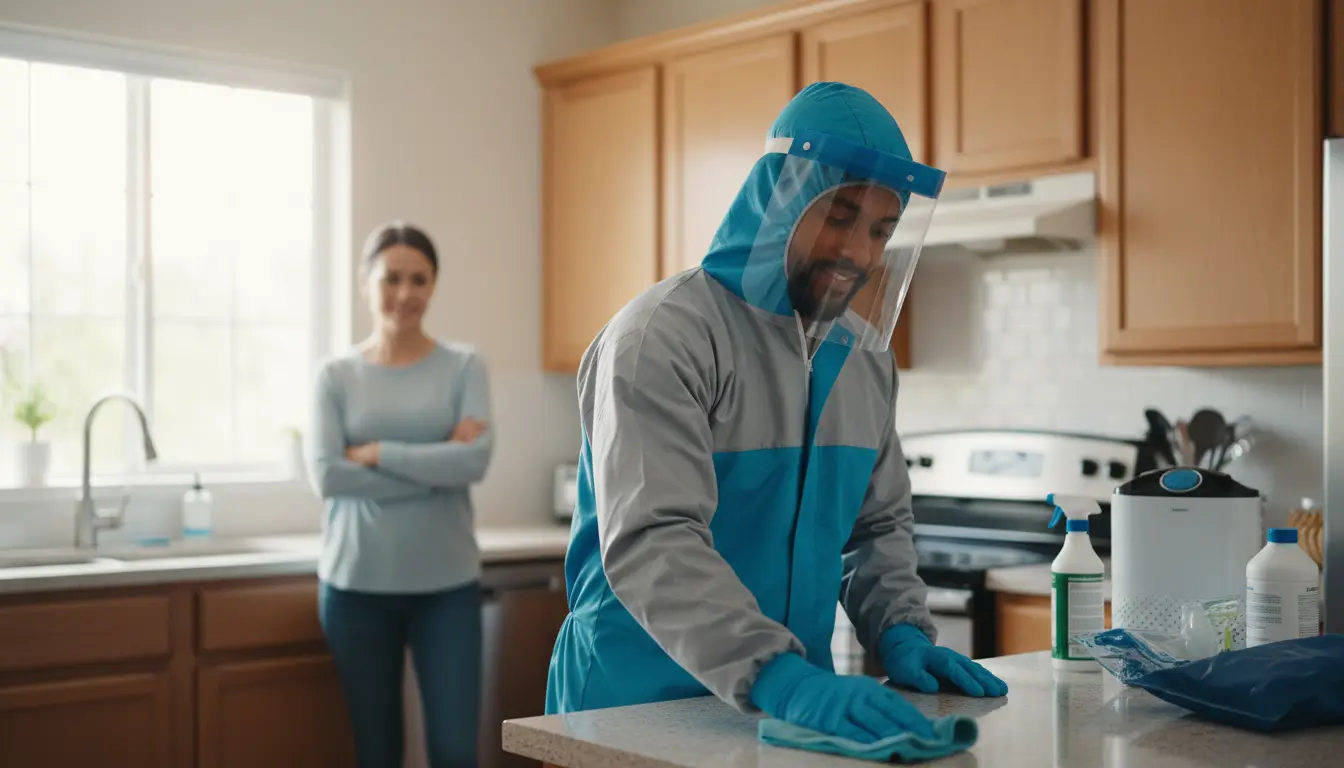
In 2026, the average cost of a professional biohazard cleanup in St. Louis was approximately $4,500, according to industry data from the IICRC. For 2026, that figure is projected to rise by 8–12% due to inflation, stricter regulatory compliance, and increased disposal fees for biohazardous waste. This means most residential and small commercial sites in the St. Louis metro area will fall between $2,500 and $15,000, depending on the scope of contamination, square footage, and the type of biological material involved.
Understanding these numbers matters because a biohazard event—whether it’s a trauma scene, unattended death, hoarding situation, or industrial accident—demands immediate, professional remediation. Attempting to cut corners with household cleaners or untrained staff not only violates OSHA and EPA standards but also puts everyone in the building at risk of long-term health complications. In St. Louis, where older brick homes and humid summers accelerate decomposition and odor migration, the cost of delay can far exceed the initial cleanup bill.
St. Louis Biohazard Cleanup provides certified, discreet, and technically rigorous remediation services across the city and surrounding counties. Our team is on call 24/7 to handle everything from bloodborne pathogen cleanup to hoarding restoration, ensuring your property is safe, compliant, and habitable as quickly as possible.
The Technical Process of Professional Biohazard Remediation
Professional biohazard cleanup follows a strict, science-based workflow designed to eliminate all biological hazards and restore the environment to a safe condition. The process begins with a thorough initial risk assessment, where our technicians evaluate the site for contamination type, extent, and structural damage. This assessment determines the level of personal protective equipment (PPE) required, the type of disinfectants needed, and the disposal strategy for biohazardous waste.
Once the assessment is complete, we establish a containment zone using industrial-grade negative air machines. These machines create negative pressure within the affected area, preventing airborne pathogens and particulate matter from spreading to clean zones. We then proceed with physical removal of all contaminated materials—including carpet, drywall, insulation, and porous furnishings—using specialized tools such as HEPA vacuums, enzyme treatments for organic stains, and forensic cleaning agents that break down cellular material at a molecular level.
After physical removal, we apply EPA-registered hospital-grade disinfectants that are proven to inactivate viruses, bacteria, and fungi. We then use adenosine triphosphate (ATP) fluorescence testing to verify that all biological residue has been eliminated. ATP testing measures the presence of organic matter on surfaces, providing a quantitative pass/fail result. If the test fails, we reapply disinfectants and repeat the process until the surface meets our strict standards. Finally, we perform structural decontamination and encapsulation, sealing any remaining porous surfaces to prevent future microbial growth.
Local variables in St. Louis significantly influence this process. The region’s high humidity, especially during the summer months, accelerates decomposition and can cause biological fluids to seep deep into brick and mortar. Our team must often remove and replace sections of subflooring or wall studs that would otherwise be salvageable in drier climates. Additionally, the extreme temperature swings between winter and summer require careful management of chemical efficacy and drying times, which can extend the timeline and cost of a project.
Professional Remediation vs. Standard Residential Cleaning
| Feature / Metric | Professional Biohazard Remediation | Standard Residential Cleaning |
|---|---|---|
| Regulatory Compliance | Full compliance with OSHA 29 CFR 1910.1030, EPA, and IICRC S540 standards | No mandated compliance; may violate local health codes |
| Pathogen Elimination | EPA-registered disinfectants + ATP testing for verification | Bleach or household cleaners; often ineffective |
| Structural Assessment | Identifies hidden seepage, porous material replacement needs | Surface-level cleaning only; misses contamination |
| Waste Disposal | Licensed biohazardous waste transport and incineration | Improper disposal (e.g., in regular trash) is illegal |
| Odor Removal | Ozone treatment, hydroxyl generators, and enzyme neutralizers | Air fresheners or temporary masking |
| Liability Protection | Insurance, bonds, and certifications cover property owner | No liability coverage; owner assumes all risk |
Expert Insights from a Certified Remediation Specialist
After years of handling biohazard scenes across St. Louis, I’ve developed three diagnostic tips that every property owner should know. First, always check for hidden biological seepage behind baseboards and under flooring. In older brick homes common in neighborhoods like Soulard or Lafayette Square, fluids can travel along mortar joints and appear in adjacent rooms, even if the visible stain is small. Our team uses moisture meters and thermal imaging to detect these hidden pockets before they cause structural rot or mold growth.
Second, understand that porous materials almost always require replacement, not cleaning. Drywall, carpet padding, and untreated wood absorb biological fluids and cannot be fully sanitized. Attempting to clean them leaves behind organic matter that will decompose and create persistent odors, attracting pests and bacteria. The IICRC S540 standard explicitly states that porous materials contaminated with blood, feces, or other bodily fluids must be removed and disposed of as biohazardous waste.
Third, negative pressure is non-negotiable. Without it, airborne pathogens can travel through HVAC systems, contaminating the entire building. In St. Louis apartment complexes and multi-unit buildings, this can lead to cross-contamination that affects dozens of units. We always seal off the affected area with plastic sheeting and run negative air machines with HEPA filtration before beginning any work.
Unfortunately, property owners often make critical mistakes. One common error is using household bleach on biological matter. Bleach loses its effectiveness in the presence of organic material and can actually cause proteins to coagulate, making stains harder to remove. Another mistake is waiting for odor to dissipate naturally. The smell of decomposition indicates active microbial activity and airborne pathogens. Time only allows the contamination to spread deeper into the structure. Finally, allowing untrained personnel—including family members or general contractors—into the site before remediation is complete can expose them to bloodborne pathogens and create liability issues for the property owner.
Pricing for Biohazard Cleanup in St. Louis
- Standard site mobilization fee: $350–$750, covering travel, PPE setup, and initial containment.
- Hourly remediation rates: $150–$300 per hour per technician, depending on the complexity and hazard level. Most projects require 2–4 technicians for 4–8 hours.
- Specialized disposal of biohazardous waste: $75–$150 per 55-gallon drum, plus transportation fees to a licensed incineration facility.
Three primary factors influence the final cost. The first is the extent of structural material replacement required. If contamination has penetrated subflooring, wall studs, or ceiling joists, those materials must be removed and replaced, which adds labor and material costs. The second is the total volume of biohazardous waste. Larger volumes require more drums, higher disposal fees, and longer processing times. The third is the necessity for specialized HVAC decontamination. If the building’s ductwork has been exposed to airborne pathogens, we may need to fog the system with disinfectants and replace filters, which can add $500–$2,000 to the project. For a detailed breakdown tailored to your situation, St. Louis residents can review our comprehensive guide on biohazard cleanup costs.
Safety Standards and Certifications
Every technician at St. Louis Biohazard Cleanup is trained in accordance with the OSHA Bloodborne Pathogens Standard (29 CFR 1910.1030) and holds IICRC certification for trauma and crime scene cleanup. We also follow the EPA’s guidelines for the use of registered disinfectants and the proper disposal of regulated medical waste. These certifications are not just pieces of paper—they reflect a rigorous understanding of cross-contamination prevention, waste management, and emergency response protocols.
In practice, this means we use only authorized waste management services that transport biohazardous material to licensed incineration facilities. It also means we maintain a strict chain of custody for all removed waste, providing documentation that protects property owners from future liability. For property owners, working with a certified provider ensures that the site is restored to a condition that is safe for occupancy, free from pathogens, and compliant with all local health codes. We also offer 24/7 emergency response for situations that cannot wait, ensuring that St. Louis residents and businesses have access to immediate, professional help.
Frequently Asked Questions About Biohazard Cleanup
What is the difference between biohazard cleanup and regular cleaning?
Biohazard cleanup involves the removal, disinfection, and disposal of biological materials that pose a risk to human health, such as blood, bodily fluids, feces, and decomposing tissue. Regular cleaning services do not have the training, equipment, or certifications to handle these materials safely. Professional biohazard remediation follows specific protocols from OSHA, EPA, and IICRC to ensure complete pathogen elimination and structural decontamination.
How long does a typical biohazard cleanup take in St. Louis?
The duration depends on the size of the affected area and the extent of contamination. A small bedroom with a single trauma scene might take 4–6 hours, while a hoarding situation involving multiple rooms can take 2–3 days. Our team works efficiently to minimize disruption, but we never compromise on safety. We always perform ATP testing to verify cleanliness before declaring the site safe.
Will my homeowner’s insurance cover biohazard cleanup costs?
Many homeowner’s insurance policies do cover biohazard cleanup, especially if the event is sudden and accidental, such as a crime scene or unattended death. However, coverage varies by policy and provider. We recommend contacting your insurance agent as soon as possible. Our team can provide detailed documentation to support your claim, including itemized invoices and waste disposal receipts.
Is it safe to stay in my home during biohazard cleanup?
In most cases, it is not safe to remain in the home during active remediation. Our containment protocols create negative pressure zones that isolate the contaminated area, but there is still a risk of airborne pathogen exposure. We recommend that all occupants leave the property until the work is complete and we have cleared the site. For large-scale projects, we can arrange for temporary accommodations.
What happens to the waste after it is removed?
All biohazardous waste is placed in red, puncture-resistant bags and sealed in rigid containers. It is then transported by a licensed medical waste disposal company to a permitted incineration facility. We maintain a complete chain of custody documentation, including tracking numbers and disposal certificates, which we provide to the property owner for their records.
Professional Biohazard Remediation in St. Louis
Understanding how much biohazard cleanup costs in St. Louis in 2026 is only the first step. The true value lies in hiring a team that combines technical expertise, regulatory compliance, and genuine compassion. When you work with St. Louis Biohazard Cleanup, you get certified technicians who understand the local building stock, climate challenges, and disposal regulations. We handle every detail—from the initial assessment to the final ATP test—so you can focus on recovery and moving forward.
If you’re facing a biohazard situation, don’t wait. The hidden dangers of unattended biohazards can escalate quickly, leading to higher costs and greater health risks. Contact us today for a confidential consultation and a detailed estimate. Our team is available 24/7 to respond to emergencies across the St. Louis metro area, including Clayton, University City, and all surrounding neighborhoods. Let us restore your property with the professionalism and care it deserves.