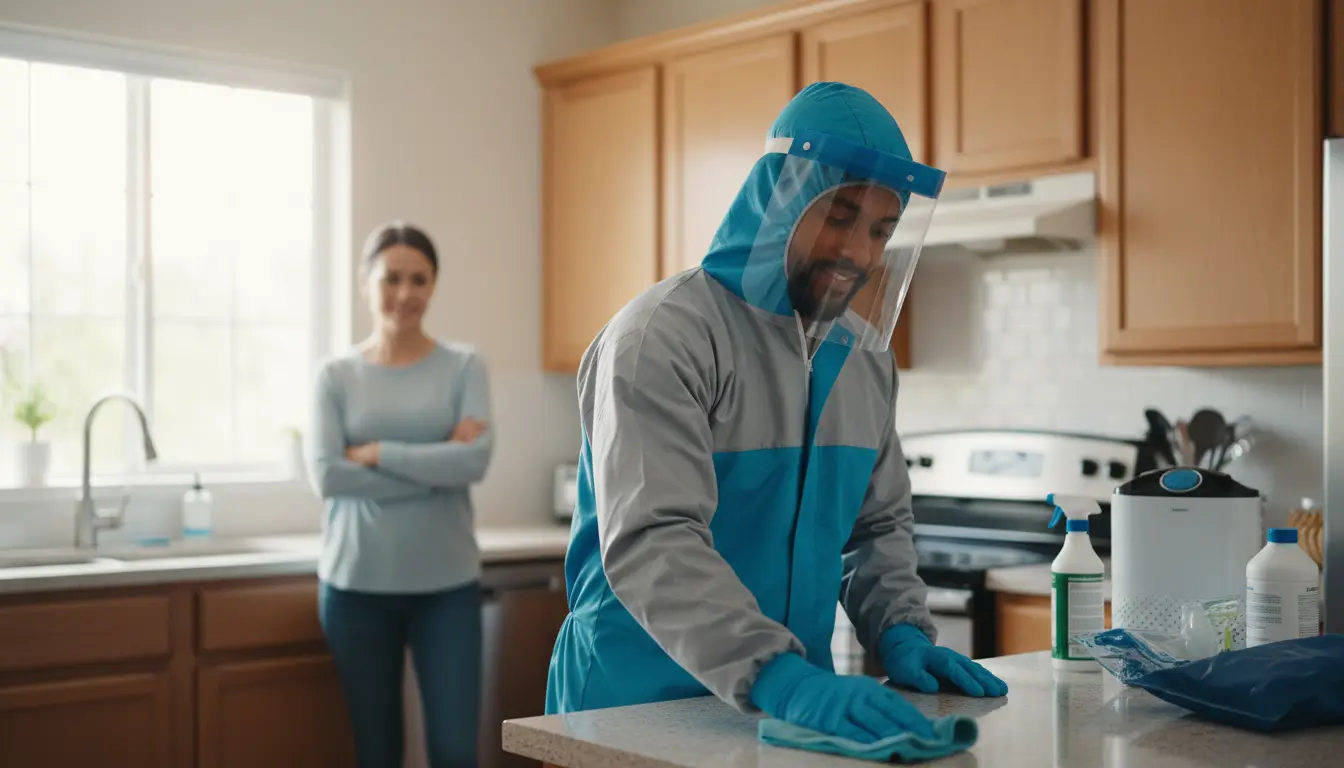
You might be staring at a quote for biohazard cleanup in St. Louis that is double what you expected—and that mistake could cost you thousands more if you don’t understand the factors driving the price. Whether you are dealing with an unattended death, a violent crime scene, or a severe hoarding situation, the final invoice often feels unpredictable. But it doesn’t have to be. By knowing exactly what variables influence the cost, you can make informed decisions, avoid hidden fees, and ensure the job is done safely and thoroughly.
In St. Louis, where humidity can accelerate decomposition and older brick homes hide biological seepage in subfloors, the stakes are even higher. Professional biohazard remediation isn’t just about cleaning—it’s about restoring a property to a safe, habitable condition while complying with strict local and federal regulations. St. Louis Biohazard Cleanup has been the trusted provider in the region, combining technical expertise with compassionate service. This article breaks down every factor that affects biohazard cleanup costs in St. Louis, so you can budget accurately and avoid costly surprises.
Technical Process: What Determines the Scope of Work
Every biohazard cleanup begins with a thorough risk assessment. A certified technician evaluates the scene to identify all contaminated materials, the type of biological matter (blood, bodily fluids, decomposition fluids, or chemical hazards), and the extent of structural penetration. This initial walkthrough sets the foundation for the entire remediation plan and directly impacts the final cost.
Once the assessment is complete, the team establishes a containment zone using negative air machines and HEPA filtration to prevent cross-contamination to other parts of the property. This step is critical in St. Louis’s humid climate, where airborne pathogens can travel more easily through moisture-rich air. The team then dons personal protective equipment (PPE) compliant with OSHA’s Bloodborne Pathogens Standard (29 CFR 1910.1030).
The physical removal phase involves extracting all biohazardous waste, including saturated carpet, drywall, insulation, and any porous materials that cannot be fully decontaminated. For non-porous surfaces, the crew applies EPA-registered hospital-grade disinfectants using specialized electrostatic sprayers to ensure viral and bacterial inactivation. After cleaning, adenosine triphosphate (ATP) fluorescence testing verifies that no organic residue remains. In cases where odor has migrated into HVAC systems, the team performs structural decontamination and may replace ductwork or apply antimicrobial sealants. This entire workflow—from containment to final encapsulation—determines the labor hours, materials, and equipment needed, all of which affect the cost.
Data Comparison: Professional Remediation vs. Standard Janitorial Cleaning
Many property owners mistakenly assume that a general cleaning crew can handle biohazard situations. The table below highlights critical differences that explain why professional biohazard remediation costs more—and why it is essential.
| Feature/Metric | Professional Biohazard Remediation | Standard Residential Cleaning |
|---|---|---|
| Regulatory Compliance | Follows OSHA, EPA, and IICRC S540 standards; proper disposal of regulated medical waste | No biohazard-specific training or waste disposal protocols |
| Pathogen Elimination | Uses EPA-registered disinfectants with validated kill times; ATP testing verifies cleanliness | Household bleach or general cleaners; no testing |
| Structural Assessment | Identifies hidden contamination in subfloors, wall cavities, and HVAC systems | Surface cleaning only; misses deeply embedded hazards |
| Odor Removal | Industrial ozone or hydroxyl generators; enzyme treatments for organic decay | Air fresheners or candles; temporary masking |
| Insurance & Liability | Fully insured, bonded, and licensed; provides documentation for claims | No liability coverage for biohazard exposure |
Expert Insights: Three Advanced Diagnostic Tips
Professional remediators use diagnostic techniques that go beyond what the eye can see. First, thermal imaging cameras detect temperature variations behind walls and under floors, revealing areas where moisture from decomposition has collected. In St. Louis’s older brick homes, this method often uncovers seepage that would otherwise go unnoticed until odor becomes overwhelming.
Second, ATP swab testing measures the presence of organic matter on surfaces after cleaning. A reading above 30 relative light units (RLU) indicates insufficient decontamination, forcing the crew to re-treat the area. Without this test, you might think a surface is clean when it still harbors dangerous pathogens.
Third, professionals assess the porosity of materials. Gypsum drywall, for example, cannot be fully disinfected once saturated with biological fluids. The only safe option is removal and replacement. Many property owners try to save money by cleaning porous items, only to face recurring health issues or odor problems—and ultimately paying more for a second remediation.
Common Mistakes That Drive Up Costs
Using household bleach on blood or bodily fluids is one of the most frequent errors. Bleach can actually fix proteins to surfaces, making them harder to remove and potentially releasing toxic fumes when mixed with other cleaners. The correct approach is to use an EPA-registered disinfectant specifically formulated for bloodborne pathogens.
Waiting for odor to dissipate naturally is another costly mistake. Decomposition gases penetrate drywall, insulation, and wooden subfloors within hours. The longer you wait, the more material must be removed and replaced, significantly increasing labor and disposal fees. Prompt professional response—available 24/7 in St. Louis via our 24 7 biohazard response in St Louis and surrounding areas ([Insert Link Here])—can contain the damage early.
Finally, allowing untrained family members or well-meaning volunteers to enter the site exposes them to hepatitis, HIV, and other bloodborne pathogens. It also contaminates additional areas, expanding the cleanup scope. Always secure the scene until professionals arrive.
Pricing: Factors That Influence Biohazard Cleanup Costs in St. Louis
While every job is unique, the following bullet points outline the primary cost drivers:
- Extent of structural material replacement – If biohazards have soaked into drywall, flooring, or cabinetry, those materials must be removed and replaced. The cost rises with the square footage of affected area and the type of material (e.g., hardwood vs. carpet).
- Total volume of biohazardous waste – Disposal of regulated medical waste is priced by weight. Large scenes (e.g., unattended death after weeks) generate more waste, increasing disposal fees.
- Need for specialized HVAC decontamination – If odor or airborne pathogens have entered the ductwork, technicians must clean or replace ducts and treat the entire system. This can add $500–$2,000 to the total.
- Accessibility and location – Properties in dense urban areas like Benton Park or Clayton may require special logistics for waste removal vehicles. Multi-story buildings or attics with limited access increase labor time.
- Time since incident – The longer biological materials remain, the deeper they penetrate. A prompt response reduces the need for extensive demolition.
Safety & Standards: Certifications That Protect You
St. Louis Biohazard Cleanup holds certifications that guarantee our work meets the highest safety standards. Our technicians complete IICRC trauma and crime scene cleanup training, and we strictly adhere to OSHA’s Bloodborne Pathogens Standard (29 CFR 1910.1030). This means every crew member is trained in proper PPE use, sharps disposal, and spill containment.
We also partner with authorized medical waste transporters who follow EPA and Missouri Department of Natural Resources regulations for incineration or autoclaving. This compliance protects you from liability and ensures that no contaminated material ends up in a regular landfill. Without these certifications, a cleanup crew might cut corners, leaving your property unsafe and your family at risk of exposure to hepatitis B, hepatitis C, or HIV.
Additionally, we document every step with photographs and chain-of-custody forms. Insurance companies require this documentation for claims, and it provides peace of mind that the job was done correctly. If you ever need to sell the property, this paperwork proves that the site was professionally remediated.
Frequently Asked Questions About Biohazard Cleanup Costs in St. Louis
Why does professional biohazard cleanup cost so much more than regular cleaning?
The difference lies in training, equipment, and compliance. Professional remediators invest in IICRC certification, specialized PPE (Tyvek suits, respirators, full face shields), and industrial-grade disinfectants and machines (negative air scrubbers, ozone generators). They also must follow strict protocols for waste disposal, which involves licensed transporters and incineration. A standard cleaning crew cannot legally handle bloodborne pathogens and would expose themselves and others to serious health risks. The cost reflects the expertise required to eliminate all hazards safely.
Will my homeowners insurance cover biohazard cleanup?
Many homeowners insurance policies cover biohazard remediation under “sudden and accidental” damage or vandalism, but coverage varies. Some policies exclude unattended death or decomposition cleanup. It is essential to contact your agent immediately and ask specifically about biohazard coverage. We work with insurance companies and can provide detailed invoices and documentation to support your claim. For more information, read our guide on the hidden dangers of unattended biohazards in your home ([Insert Link Here]).
How long does a typical biohazard cleanup take?
The duration depends on the size of the affected area and the depth of contamination. A small blood cleanup in a single room might take a few hours, while a full structural remediation after a multi-week unattended death can take two to three days. Factors such as the need for subfloor removal, HVAC cleaning, and odor neutralization all extend the timeline. We provide a time estimate during the initial assessment and keep you updated throughout the process.
Can I stay in my home during the cleanup?
In most cases, no. For safety, we recommend vacating the property until the remediation is complete and final air quality testing confirms that no airborne pathogens remain. The containment zone, negative air pressure, and chemical fumes create an unsafe environment for occupants. We can help arrange temporary accommodation if needed. For severe cases, such as hoarding cleanup, we work with social services to ensure you have support.
What happens to the waste after cleanup?
All biohazardous materials are placed in red biohazard bags, sealed in rigid containers, and transported by a licensed medical waste hauler to a treatment facility. There, the waste is either incinerated at high temperatures or autoclaved (steam sterilized) before being disposed of in a permitted landfill. We maintain a chain-of-custody manifest for every load, ensuring full traceability and compliance with Missouri regulations.
Professional Biohazard Remediation in St. Louis
Understanding what factors affect biohazard cleanup costs in St. Louis empowers you to make smart decisions during a difficult time. From the extent of material replacement to the need for specialized HVAC decontamination, every variable is manageable when you work with a certified team. St. Louis Biohazard Cleanup combines technical rigor with genuine compassion, restoring your property to a safe condition while respecting your privacy.
We serve all areas, including Central West End, Soulard, The Hill, Tower Grove South, Lafayette Square, Benton Park, Clayton, and University City. When you need immediate, professional help, contact us through our 24/7 response line or visit our contact page for a confidential consultation. Don’t let hidden costs or safety risks add to your burden—let our experienced team handle the job right the first time.